
The Evolution of the E-Cigarette: From Invention to the Future of Vaping
The e-cigarette has radically changed the way the world consumes nicotine in less than two decades. What started as a vision to replace burnt tobacco with flavored air is now a global industry with millions of users. However, the path from the first patents in the 1960s to today's highly advanced Digital Box Vapes has been long and challenging.
In this article, we explore the history, technological breakthroughs, current market situation, and scientific facts surrounding vaping.
Key Insights
- History: Herbert A. Gilbert patented the concept in 1963, but it was not until Hon Lik made the e-cigarette commercially successful in 2003.
- Harm Reduction: E-cigarettes do not burn tobacco and are considered by organizations such as Public Health England to be significantly less harmful than traditional cigarettes.
- Technology: Development ranges from simple 'Cigalikes' to complex mods, pod systems, and modern disposable devices with mesh coils and displays.
- Regulation: The market is heavily influenced by laws (e.g., TPD in the EU) aimed at ensuring consumer safety and youth protection.
- Future: Trends indicate a move toward more sustainable solutions and hybrid systems, along with stricter market oversight.
The History: Two Pioneers, One Vision
1963: Herbert A. Gilbert's Premature Vision
Long before vaping became a trend, American Herbert A. Gilbert had a revolutionary idea. In 1963, he filed a patent for a 'smoke-free, non-tobacco cigarette.' His concept was based on generating flavored air through heating, without combustion. Although his invention technically worked, the time was not yet ripe. Awareness of the dangers of smoking was still low in the 60s, and the tobacco lobby was powerful. Gilbert's patent expired without the product ever being commercialized – but the blueprint for the future was created.
2003: The Breakthrough by Hon Lik
The real turning point came in 2003. Chinese pharmacist Hon Lik, himself a heavy smoker, lost his father to lung cancer. Motivated by this loss, he developed a device that vaporized nicotine using ultrasound. He founded the company Ruyan (meaning 'like smoke') and brought the first modern e-cigarette to market. Unlike Gilbert's design, Hon Lik later used heating elements that were more efficient. This was the starting shot for a global revolution.

Technological Evolution: From Pen to High-Tech Device
Technology has rapidly advanced since Hon Lik's first models.
- First Generation (Cigalikes): These looked like real cigarettes but had weak performance and short battery life.
- Second Generation (Vape Pens): Larger batteries and refillable tanks (Clearomizers) enabled a personalized vaping experience for the first time.
- Third Generation (Box Mods): Devices with variable wattage, temperature control, and large displays for enthusiasts.
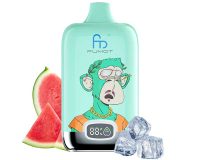
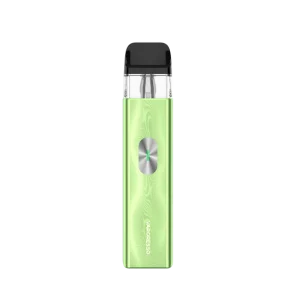
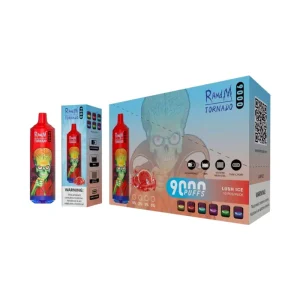
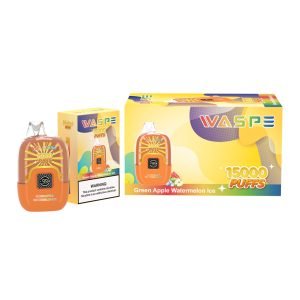
- Current Era (Pods & Disposables): The trend today is towards maximum user-friendliness. Devices like the RANDM Digital Box or modern pod systems use Mesh Coils for intense flavor and offer features like LCD displays to monitor liquid and battery levels. The introduction of Nicotine Salt (Nic Salt) has also made vaping smoother and more efficient.
Market Trends and Regulations 2024/2025
A Global Growth Market
The e-cigarette market continues to grow dynamically. Drivers include the variety of flavors and increased health awareness among many smokers seeking 'smoke cessation'. Currently, disposable e-cigarettes and closed pod systems dominate the market, as they require no technical knowledge.
The Influence of Laws (TPD & Co.)
Regulations are a double-edged sword for the industry.
- Consumer Protection: In the EU, the Tobacco Products Directive (TPD) sets standards. These include limits on nicotine strength (max. 20mg/ml) and tank size, as well as strict warning labels.
- Market dynamics: While strict bans (such as pure flavor bans in some countries) can slow the market and promote black markets, sensible regulations foster consumer trust. The reporting obligation via the EU-CEG portal ensures that all ingredients are transparently reported.
Safety and health: facts rather than myths
What science says
There is scientific consensus that e-cigarettes are not risk-free, but significantly less harmful are less harmful than tobacco cigarettes.
- Harmful substances: Since no combustion occurs, tar and carbon monoxide are largely absent from the vapor. The British health authority Public Health England (PHE) published reports estimating vaping to be up to 95% less harmful than smoking.
- Nicotine: Nicotine is addictive but not the primary cause of smoking-related diseases like cancer. Nonetheless, non-smokers and minors should never use e-cigarettes.
Be aware of risks
Responsible vaping is essential. Users should only purchase tested products from legal sources to avoid contaminants (“Popcorn Lung” has been effectively prevented in the EU through the ban on diacetyl in liquids).

Frequently Asked Questions (FAQ)
Are e-cigarettes really healthier than smoking? Yes, leading health organizations classify them as less harmful because no combustion occurs. “Healthier” is the wrong word; “less harmful” (Harm Reduction) is the correct term.
Can I quit smoking with an e-cigarette? Many smokers successfully use e-cigarettes to switch. Studies, such as those by Cochrane Collaboration, suggest that e-cigarettes can be more effective for smoking cessation than traditional nicotine replacement therapies (patches, gums).
What is the difference between liquid and nicotine salt? Traditional liquid uses freebase nicotine, which can cause a throat hit at high strengths. Nicotine salt (Nic Salt) has a lower pH value, is gentler to inhale, and acts faster, making it ideal for heavy smokers.
How long does a disposable e-cigarette last? It depends on the indicated puff count and your own puffing behavior. A device with 600 puffs is equivalent to about a pack of cigarettes. Larger devices (often available abroad) last accordingly longer but need to be recharged in between.
Are e-cigarettes regulated in the United States? Yes, very strictly. They are subject to the Tobacco Products Act. Liquids can hold a maximum of 10ml, nicotine-containing disposable devices can have a maximum volume of 2ml, and sales are strictly only allowed from age 18 onwards.