Introduction: The Myth of Harmless Water Vapor
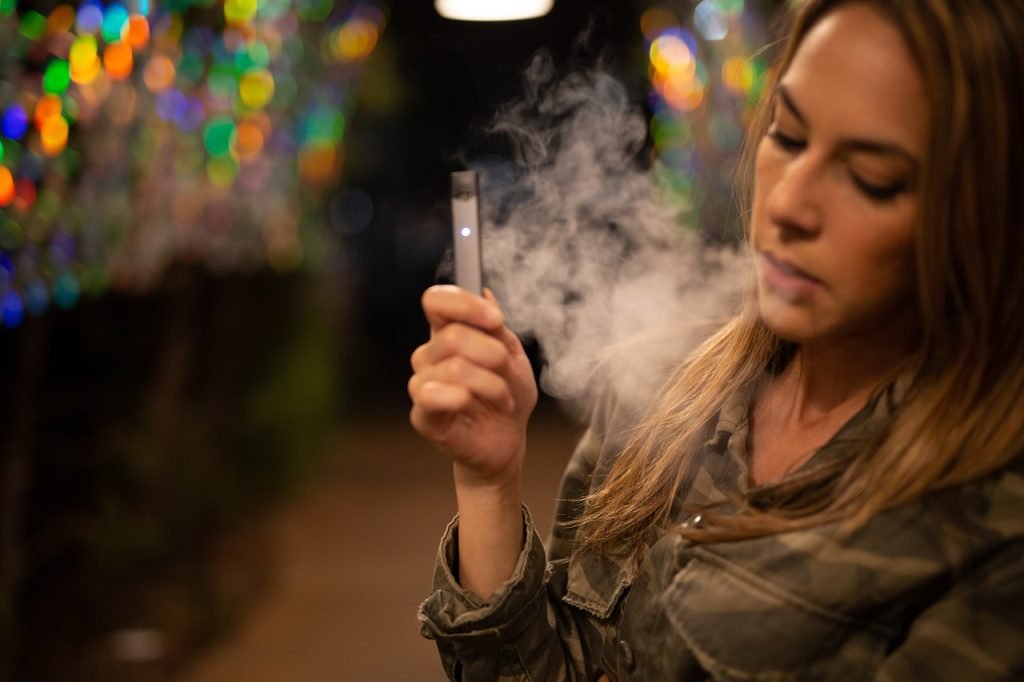
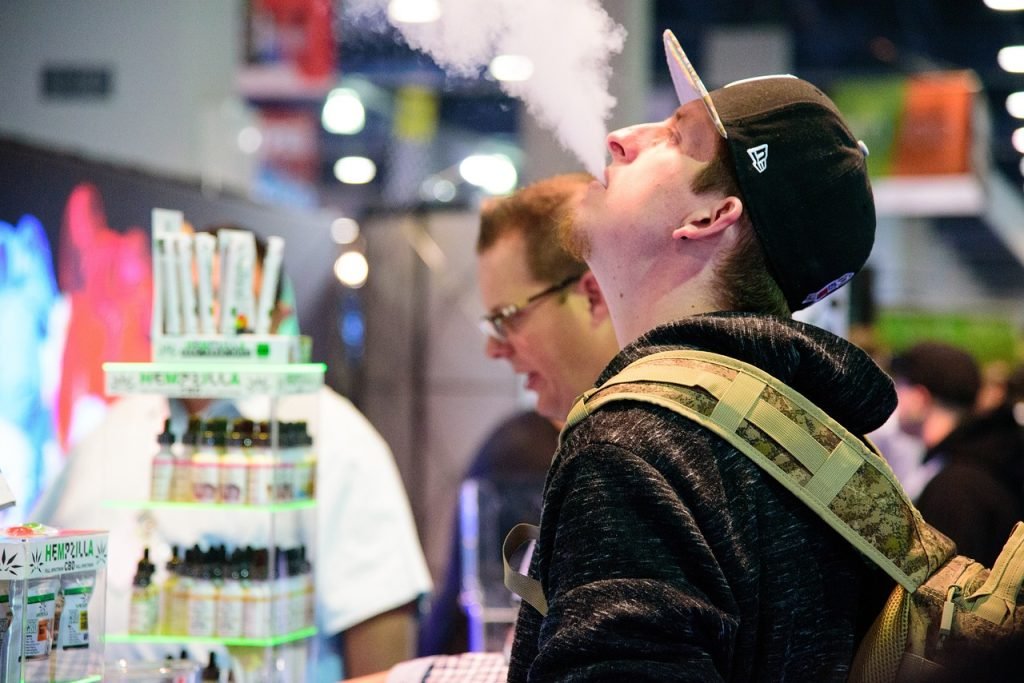
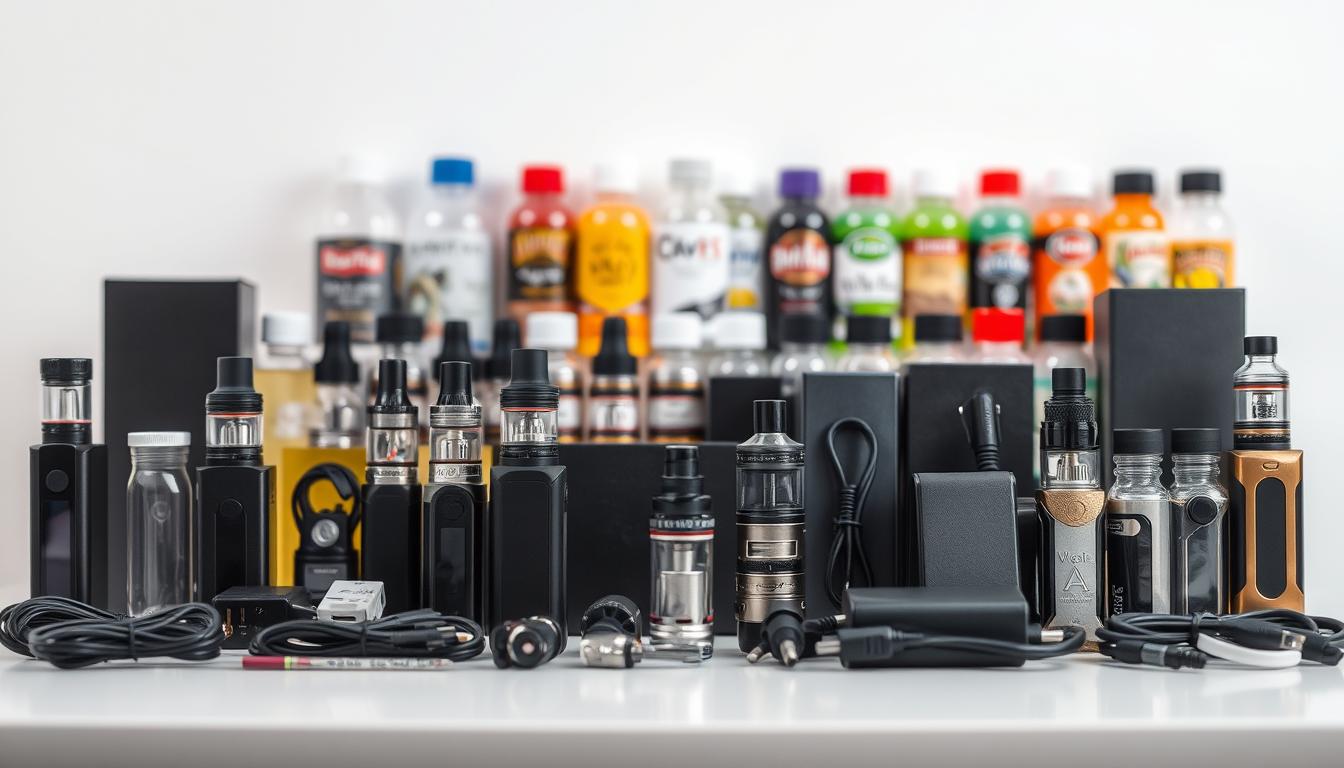
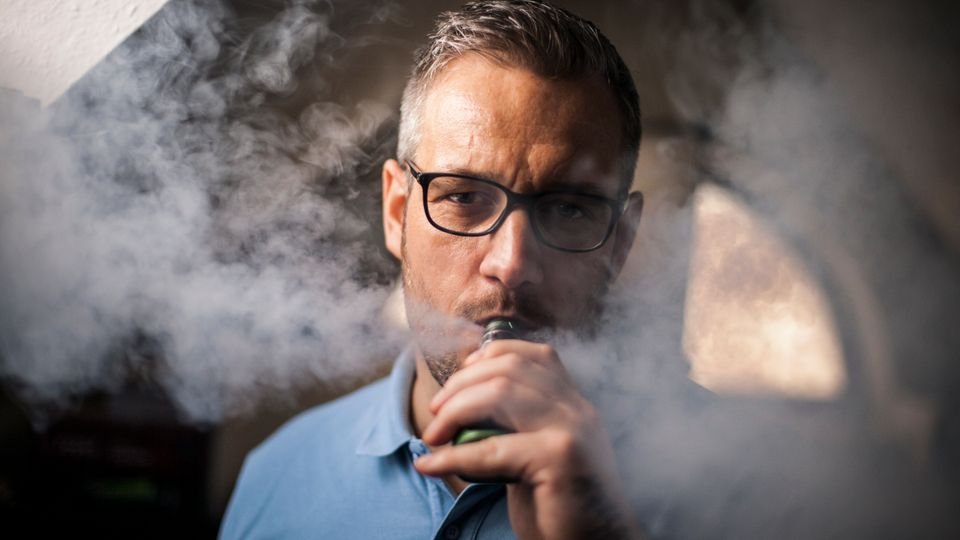
In the last ten years, the street scene in cities like Berlin, Madrid, or London has changed. Where once the biting blue smoke of tobacco cigarettes filled the air, it now often smells of vanilla, strawberry, or fresh mint. The e-cigarette has begun its victorious march as a popular alternative to smoking. However, with its spread, concerns also grow among those who do not vape themselves: passive vapers.
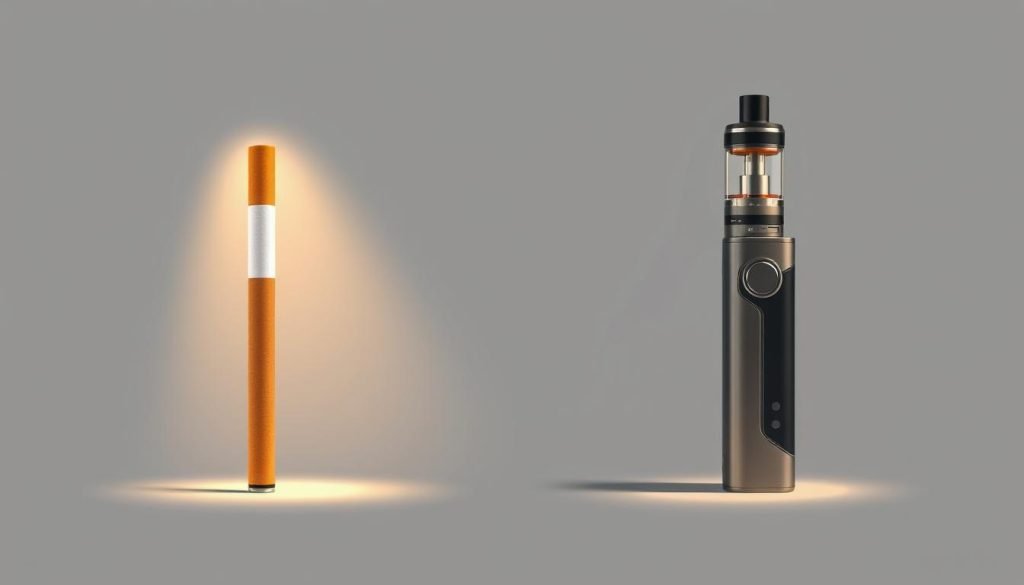
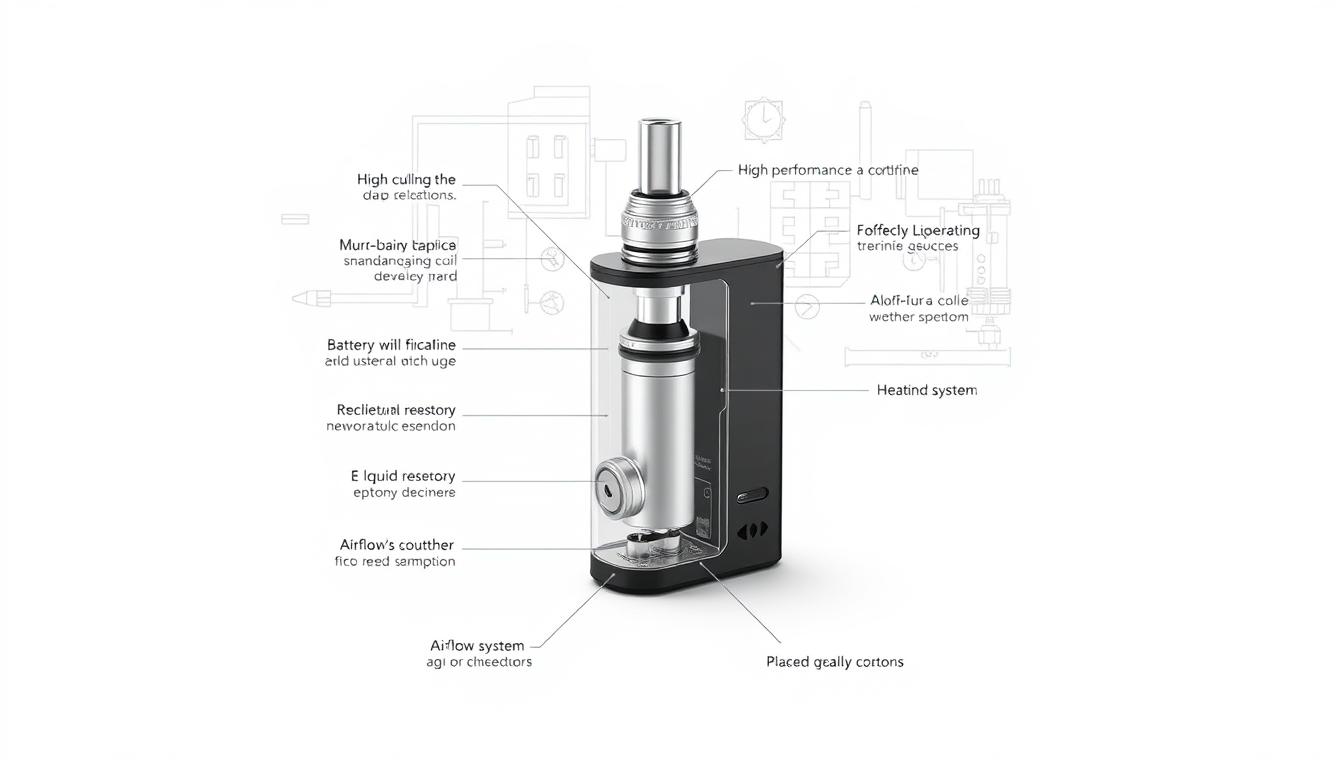
For a long time, the persistent rumor was that the emissions were merely harmless 'water vapor.' This assumption has been scientifically disproven and is dangerously misleading. What comes from the e-cigarette is a chemical aerosol—a mixture of fine liquid particles and gases. While science confirms that this aerosol is significantly less toxic than the smoke of a burned tobacco cigarette, it is by no means a neutral substance like fresh mountain air.
In this comprehensive report, we delve deeply into the molecular composition of passive vapor. We analyze which substances uninvolved third parties inhale, how nicotine affects children and pregnant women, and why the so-called 'Third-Hand Vaping' (residues on surfaces) poses an underestimated risk. This is not an opinion piece but an evidence-based analysis for everyone who wants to protect their health and that of others.
I. The Anatomy of the Aerosol: What Do Third Parties Really Inhale?
To understand the risks, we first need to correct the term 'secondhand smoke.' E-cigarettes do not burn tobacco. Therefore, no 'sidestream smoke' (the smoke rising from the glowing tip of a cigarette) is produced. The pollution of indoor air occurs almost exclusively through the mainstream, which the vaper inhales and then exhales.
But what remains after the lung draw? Studies show that the human body absorbs most of the ingredients, but a significant amount is released back into the environment.
1. The Carrier Substances: Propylene Glycol (PG) and Vegetable Glycerin (VG)
These two substances form the basis of over 90% of every e-liquid.
- Propylene Glycol (PG): A synthetic substance also used in fog machines in nightclubs. It is known for binding flavors and creating the 'Throat Hit' (the scratchy feeling in the throat).
- Vegetable Glycerin (VG): A viscous substance responsible for the dense, white clouds.
- The risk for third parties: In the indoor air, these substances act hygroscopically, meaning they attract moisture. For passive vapers, this can lead to dry eyes, irritation of the nasal mucous membrane, and a dry feeling in the throat. Although approved as food additives (E1520 and E422), their long-term inhalative effects on third parties have not yet been fully researched.
2. Nicotine: The Invisible Active Ingredient
Nicotine-containing liquids also release nicotine into the indoor air. While the vaper absorbs up to 95% of the nicotine themselves, the remaining 5% ends up in the aerosol.
- Concentration: The nicotine concentration in indoor air is many times lower with e-cigarettes than with tobacco cigarettes (often less than one-tenth).
- Absorption: Nevertheless, biomarker studies show that people in heavily vaporized rooms have increased cotinine levels (a breakdown product of nicotine) in their blood. They are thus passively nicotine-affected.
3. Aldehydes and Volatile Organic Compounds (VOCs)
This becomes chemically complex. When the liquid is heated, thermal decomposition products can form.
- Formaldehyde, Acetaldehyde, and Acrolein: These substances are potentially carcinogenic or irritating. They primarily form when the vaporizer overheats (the so-called “Dry Hit”).
- The good news: In modern devices with temperature control and sufficient liquid flow, the formation of these substances is minimized. The exposure to third parties is usually below the limits recommended by the WHO for indoor air.
- The bad news: Cheap disposable devices or improper use can increase the levels, which creates an unnecessary burden on indoor air quality.
4. Heavy Metals and Nanoparticles
The aerosol contains ultrafine particles that can penetrate deep into the lungs (alveolar-capable). Additionally, microscopic metal particles from the heating coil can be released.
- Metals: Traces of nickel, chromium, lead, and manganese have been detected.
- Risk assessment: These metals are toxic. However, the dose in passive vapor is extremely low – often hundreds of times lower than in tobacco smoke. An acute “heavy metal poisoning” from passive vaping is highly unlikely, but chronic accumulation over years is a theoretical risk that should be avoided.
II. Direct Effects on the Airways and Lungs
The lungs are a delicate organ designed for gas exchange of oxygen and carbon dioxide – not for chemical aerosols.
1. Acute Irritations and Inflammatory Reactions
Non-vapers exposed to passive vapor often report subjective complaints. These are not imaginary but physiologically explainable. The fine droplets of propylene glycol and flavorings deposit on the mucous membranes.
- Symptoms: Cough reflex, shortness of breath during exertion, phlegm production.
- Mechanism: Chemical flavorings (e.g., cinnamaldehyde, vanillin, or menthol) can activate inflammatory markers at the cellular level, even when only passively inhaled.
2. Risks for Asthmatics and COPD Patients
For people with hyperreactive bronchial systems (asthma), passive vapor presents a significant problem.
- The trigger effect: The aerosol can act as an irritant, triggering an asthma attack. The particles in the vapor can constrict the bronchi.
- Research status: Studies on adolescents show a correlation between exposure to e-cigarette vapor and a deterioration of asthma symptoms. For this group: absolute vapor-free environment is a must.
3. Susceptibility to Infections
There is evidence that certain ingredients in the vapor can impair the function of cilia in the bronchi (though less strongly than tobacco smoke). This could theoretically lead to viruses and bacteria being transported less effectively out of the lungs, slightly increasing the risk of colds or respiratory infections in passively exposed individuals.
III. Potential Risks for the Cardiovascular System
For a long time, it was thought that nicotine only harmed the 'heart' of the consumer. But passive intake also has systemic effects.
1. Nicotine Intake and Hemodynamic Effects
As already mentioned, nicotine enters the bloodstream via the lungs and even through the skin of passive vapers.
- Sympathetic nervous system activation: Nicotine activates the sympathetic nervous system, the part of the nervous system responsible for performance and stress.
- Consequences: Even small doses can lead to a slight increase in heart rate and blood pressure in sensitive individuals. For a healthy person, this is usually negligible (comparable to the passive effect of coffee aroma, albeit chemically different). However, for heart patients with severe angina or arrhythmias, any unnecessary stress should be avoided.
2. Oxidative Stress and Endothelial Function
Recent research focuses on oxidative stress. Free radicals in the aerosol (caused by flavors and heating) can enter the bloodstream.
- Arterial stiffness: Oxidative stress can attack the endothelial cells (the lining of blood vessels). Dysfunction of these cells is the first step toward arteriosclerosis (vascular calcification).
- Comparison: The impact of passive vapor is significantly lower than passive smoke according to current data, as the highly toxic carbon monoxide and oxidative stress from combustion particles are absent. Nevertheless, the effect is measurable ('Non-Zero Risk').
IV. Special Risk Groups: Why Children and Pregnant Women Are Off-Limits
Ethics and science agree here: vulnerable groups must not be exposed to any exposure. The physiological differences from healthy adults are significant.
1. The Vulnerability of Children and Infants
Children are not small adults. Their metabolic rate is higher, they breathe faster (and thus take in more pollutants relative to their size), and their organs are still developing.
- Neurotoxicity of nicotine: The human brain develops until about age 25. Nicotine is a neurotoxin that can interfere with synapse development. Animal studies suggest that early exposure can lead to attention deficits (ADHD-like symptoms) and increased susceptibility to addiction later in life.
- Lung development: Alveoli (air sacs) still multiply during childhood. Ultra-fine particles and irritants can disrupt this growth and permanently impair lung function.
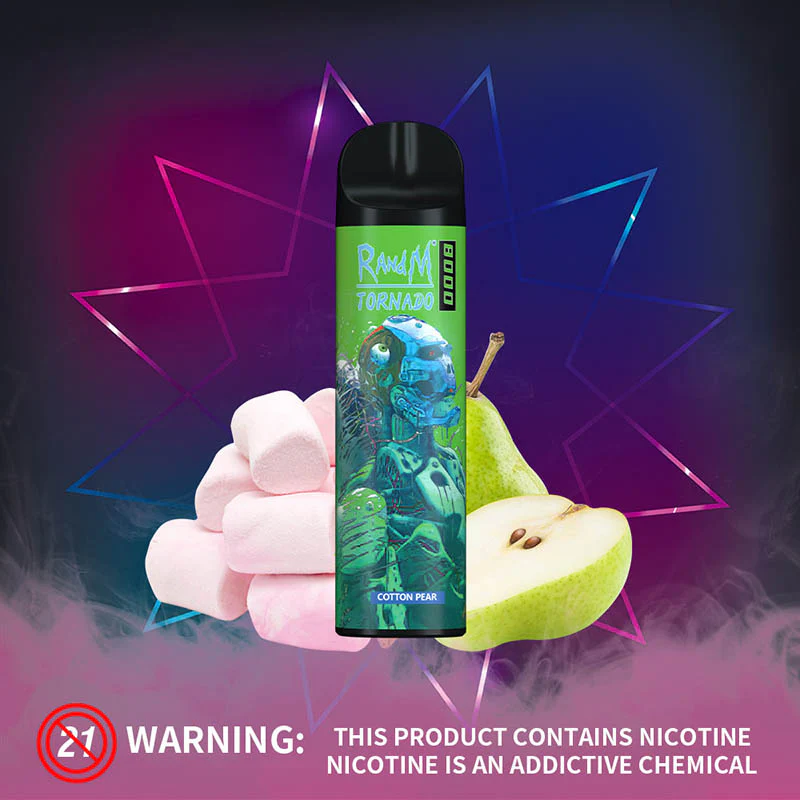
- Poisoning risk (liquid): An often overlooked aspect of 'passive risk' is not the vapor but the product itself. Colorful, good-smelling liquid bottles are attractive to small children. Swallowing nicotine-containing liquid is life-threatening (high toxicity upon oral ingestion).
2. Pregnancy and Fetus
The placenta is not a barrier to nicotine. If a pregnant woman vapes passively (or stays in heavily fogged rooms), the unborn child is also inhaling.
- Circulatory disorders: Nicotine constricts the blood vessels in the placenta and umbilical cord. This can lead to an undersupply of oxygen and nutrients to the fetus.
- Consequences: The risk of low birth weight, preterm birth, and sudden infant death syndrome (SIDS) increases.
- Lung maturation: Nicotine interacts with receptors in the fetal lung and can disrupt their development, making the child more susceptible to asthma later in life.
- Conclusion: Pregnant women adhere to a zero-tolerance policy towards passive vapor and passive smoke.
V. Third-Hand Vapor: The Underestimated Danger of Residues
We know “Second-Hand Smoke” (passive smoke). But what is “Third-Hand”? This refers to residues that settle on surfaces after the vapor has dispersed.
- The sticky film: PG and VG form a fine film on windows, tables, toys, and clothing. Nicotine and other toxins bind within this film.
- Re-Emission: Nicotine on surfaces can react with other substances in the air (e.g., nitric acid) and form carcinogenic Tobacco-specific Nitrosamines (TSNAs) forms.
- Danger for crawling children: Toddlers crawling on the floor and putting things in their mouths absorb these toxins through their skin and orally.
- Significance: This emphasizes why vaping “with an open window” or “when the child is not in the room” can also be problematic if residues accumulate permanently in the home (carpets, curtains).
VI. Pets: The Forgotten Passive Vapers
An often overlooked aspect in health discussions is our pets.
- Cats: Cats react extremely sensitively to Propylene glycol. In cats, inhalation or ingestion of PG can lead to Heinz body anemia (blood deficiency).
- Dogs: Dogs have sensitive noses and respiratory tracts. Nicotine is highly toxic to dogs and cats. While passive vapor is rarely lethal, aerosol residues on the fur that the animal licks while grooming can lead to poisoning symptoms.
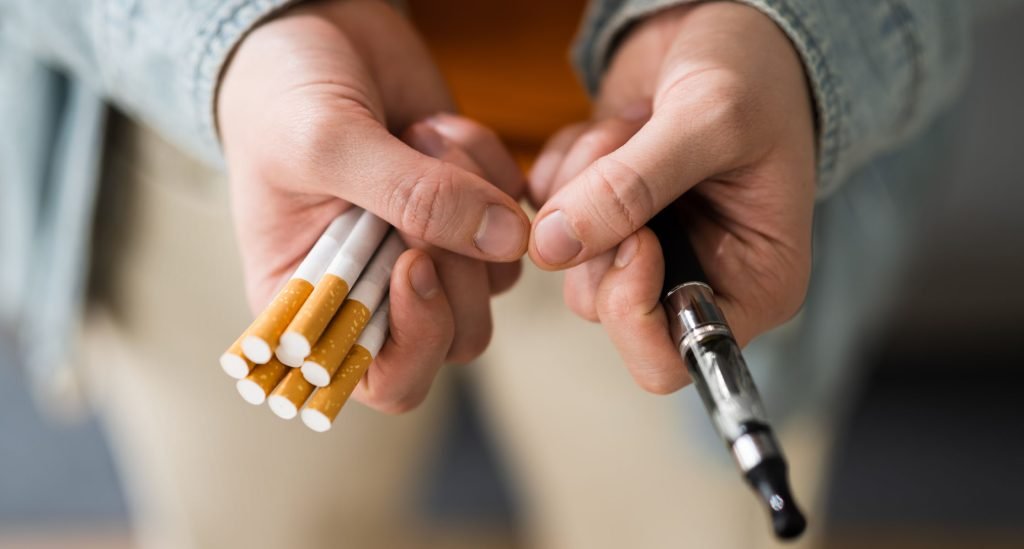
VII. Context and Classification: E-Cigarette vs. Tobacco Cigarette
After all these risks, it is important to maintain context to avoid causing unnecessary panic.
The scientific position of institutions such as Public Health England or the German Cancer Research Center is nuanced:
- Passive smoke (tobacco) is deadly and contains thousands of toxins, tar, and carbon monoxide in high concentrations.
- Passive vapor (e-cigarette) contains significantly fewer harmful substances. The exposure for third parties is many times lower.
This means: If a smoker switches to e-cigarettes at home, the air quality for cohabitants improves massively compared to previous smoking. But: Compared to a non-smoking household, the air quality is worse.
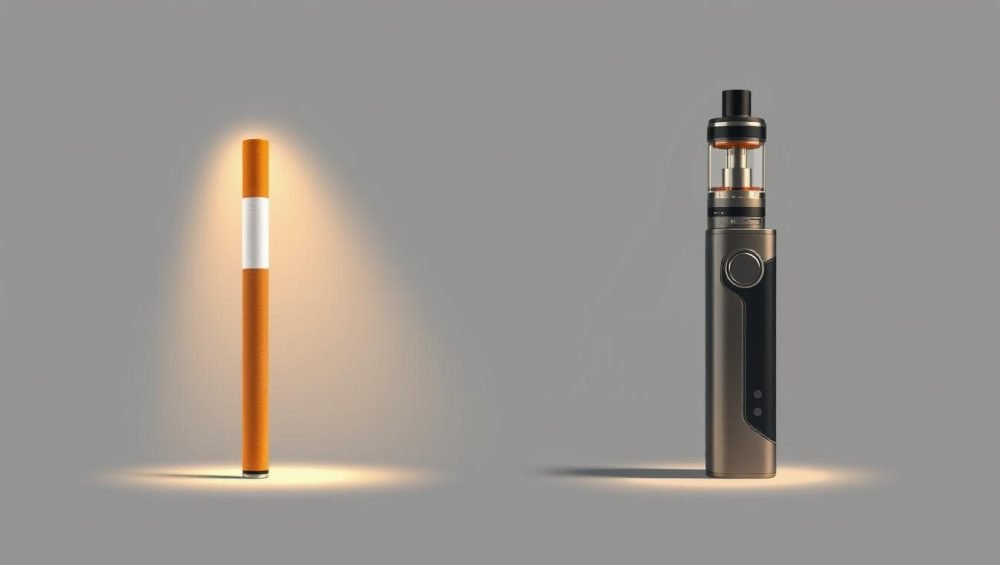
The formula is: Passive smoke > Passive vapor > Fresh air.
VIII. Conclusions and Recommendations for Action
The e-cigarette is a harm reduction technology for smokers but not a lifestyle product without risks for others. Inhaling e-cigarette aerosol poses potential dangers to the respiratory system, cardiovascular system, and child development.
Concrete measures for everyday life
To protect the health of oneself and others, the following guidelines should be established:
- The “Outdoor Rule”: Treat e-cigarettes in the presence of non-smokers, children, and pregnant women just like tobacco cigarettes. Vape outdoors.
- Ventilation management: When vaping indoors, ensure good airflow. Aerosols do not linger in the air as long as smoke, but accumulation should be avoided.
- Car ban: Vaping in cars should be prohibited, especially when passengers are present. The small air volume leads to extremely high concentrations of fine dust and nicotine.
- Cleaning: Regularly wipe surfaces in households where vaping occurs to remove 'Third-Hand' residues.
- Social etiquette: Ask before vaping. Many people are bothered by large vapor clouds, even if they do not smell.
Conclusion for policymakers
Public awareness must be increased. The message should not be 'E-cigarettes are harmless,' but rather 'E-cigarettes are less harmful than tobacco but should not be inhaled by children or non-smokers.' Extending non-smoking protection laws to include e-cigarettes in enclosed public spaces, schools, and transportation is a logical and necessary consequence from a preventive health perspective.
Only through respect, education, and scientifically based caution can we harness the benefits of e-cigarettes for smokers without endangering the health of bystanders.