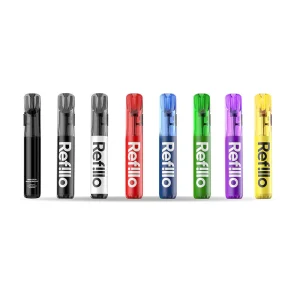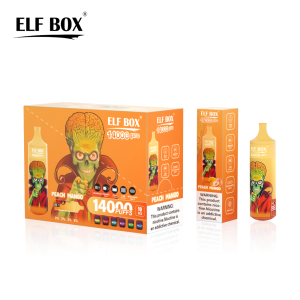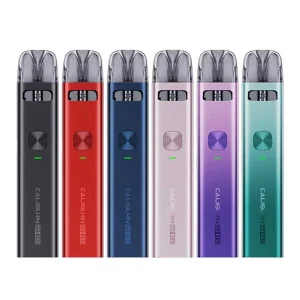
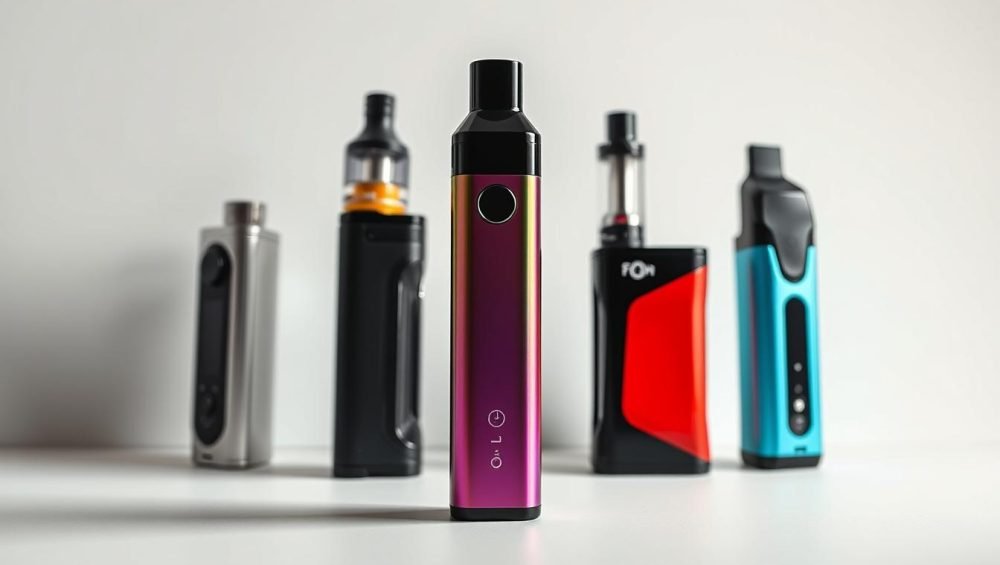
Those looking for a modern alternative to traditional cigarettes quickly turn to e-cigarettes. These devices impress not only with their elegant design but also with a flavorful variety. More and more people appreciate the ability to choose individually between flavors and nicotine strengths – all without tobacco combustion.
Instead of smoke, an aromatic liquid is produced during vaporization. This reduces unpleasant odors and offers a smoother experience. My experience shows: the technology behind these devices has advanced significantly. Today, there are models that can be perfectly adapted to personal preferences.
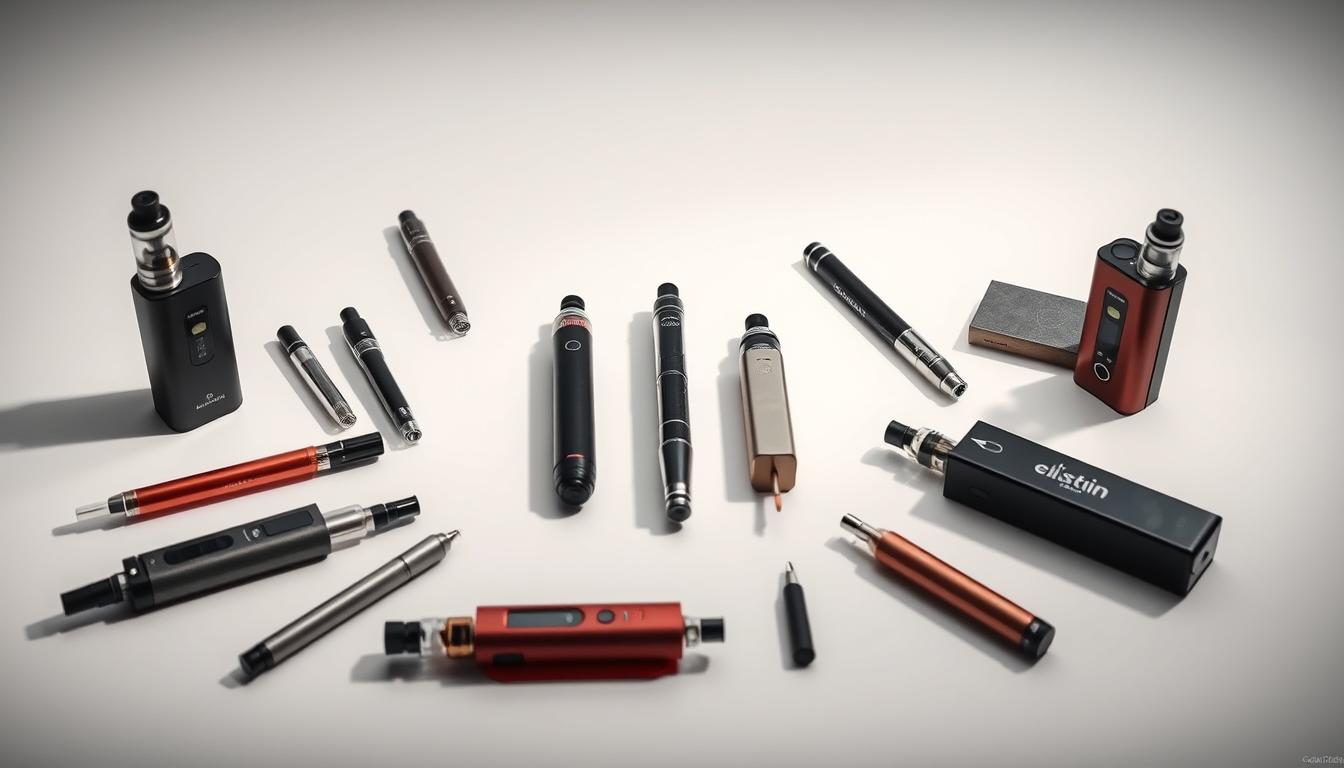
In this article, I introduce devices that excel through innovation and ease of use. From compact beginner models to powerful variants – the selection is huge. I focus on clear comparisons and technical details to make your decision easier.
Introduction to the world of e-cigarettes
More and more people are discovering the benefits of vaping. Instead of burning tobacco, these devices heat special liquids — called e-liquids. No smoke is produced, only aromatic vapor that is inhaled gently.
The main difference from traditional smoking lies in the process: Instead of combustion, vaporization occurs. This not only reduces unpleasant odors but also allows for precisely controlled nicotine strengths. My first attempts three years ago convinced me with the precise flavor control.
| Aspect | Traditional smoking | Vaping |
|---|---|---|
| Odor development | Strong smoke smell | Significantly reduced |
| Nicotine Options | Set | Freely selectable (0-20 mg/ml) |
| Ingredients | Over 7,000 chemicals | Base liquid + aroma + optional nicotine |
Modern devices operate with rechargeable batteries and replaceable cartridges. Inhalation works either through draw activation or button press. Historically, the first patents date back to the 1960s, but it wasn't until 2003 that the technology became widespread.
When it comes to flavor, the liquid content determines everything: from fruity blends to classic tobacco aroma, the market offers over 8,000 variants. My personal favorite combination? A base liquid with wild berry aroma and medium nicotine strength.
History and development of the e-cigarette
The origins of electronic vaporizers go further back than many think. As early as 1927, Joseph Robinson filed a patent for an 'electric inhaler' — a device that vaporized medicinal substances. But it was only in 1963 that Herbert A. Gilbert developed a concept replacing tobacco smoke with heated flavors.
Early inventions and technical hurdles
Gilbert's design failed at the time due to lack of interest from the tobacco industry. It wasn't until 2003 that Hon Lik revolutionized the concept with his nicotine-containing liquid. His device used piezoelectric technology to atomize liquid — a milestone for modern cigarette alternatives.
Corporations discover the potential
From 2010 onward, major players changed the market rules. Tobacco conglomerates like Altria acquired startups to shift from traditional cigarette sales. Philip Morris invested over 100 million euros in vapor technology in 2014. These acquisitions advanced the standardization of contents and nicotine dosages.
Today, two camps dominate the market: traditional companies with tobacco expertise and tech firms focusing on flavor variety. My research shows that especially German manufacturers are increasingly focusing on bio-based liquids and recyclable components.
Technology and functionality of e-cigarettes
Behind the compact design of today's devices lies sophisticated technology. A typical system consists of three main components: battery, clearomizer, and mouthpiece. The battery supplies energy, while the clearomizer vaporizes the liquid.
From liquid to aromatic vapor
The clearomizer contains a heating coil made of stainless steel or Kanthal. When activated, it heats up to 120-220°C. The surrounding liquid — usually a mixture of propylene glycol and vegetable glycerin — vaporizes in a controlled manner.
| Component | Function | Influencing factor |
|---|---|---|
| Battery | Power supply | Performance (10-100 watts) |
| Heating coil | Liquid heating | Material & Resistance |
| Liquid reservoir | Storage capacity | Ingredients & Viscosity |
My top model uses a 2000mAh battery with stepless power regulation. Practical: the higher the wattage, the more intense the flavor. However, higher power also consumes the liquid in the tank more quickly.
Innovative devices feature temperature control. This prevents overheating and burnt flavors. With my last device, I could even adjust the airflow – so I precisely regulate vapor amount and draw resistance.
Comparison: e-cigarette vs. tobacco cigarette
Health-conscious users often ask the key question: What truly differentiates the methods? Modern vaporizers operate without combustion – a key factor. While tobacco cigarettes produce smoke through embers, vaping only creates aerosol.
This technology significantly reduces harmful substances. My tests show: burning tobacco at 600°C produces over 70 carcinogens. Vapor devices reach a maximum of 220°C and avoid these chemical reactions.
| Aspect | E-cigarette | Tobacco cigarette |
|---|---|---|
| Combustion process | No | Ja |
| Ingredients | 3-5 components | Over 7,000 substances |
| Nicotine control | Stepless (0-20 mg/ml) | Set |
The nicotine dosing allows for gradual reduction. During my switch, I was able to decrease the strength by 3 mg each month. Inhalation feels gentler – no throat scratch like with tobacco smoke.
Advantages at a Glance:
- No ash or fire hazard
- Customizable flavors instead of uniform taste
- Reusable devices reduce waste
Personally, I am convinced by the precise control. Since I have been testing both variants in parallel, I feel less strain on my airways. The typical smell of smoke on clothes is completely absent.
Liquid and flavor variety and nicotine options
The foundation of every vaping experience is high-quality liquids. These liquids consist of propylene glycol, vegetable glycerin, flavorings, and optionally nicotine. My tests show: the mixing ratio determines flavor intensity and vapor production.
Nicotine strengths and legal regulations
In Germany, the TPD2 regulation limits nicotine to 20 mg/ml. For beginners, I recommend 6-12 mg/ml, advanced users often use 3-6 mg/ml. In 10 ml bottles, the dosage can be precisely controlled.
| Nicotine strength | Target Audience | Maximum content |
|---|---|---|
| 0 mg/ml | Flavor connoisseur | No limit |
| 10 mg/ml | Occasional user | 20 ml/day |
| 20 mg/ml | Strong switchers | 10 ml/day |
Variety of flavors
From sweet dessert notes to fresh citrus varieties – the selection exceeds 10,000 flavors. My favorite: a 50 ml liquid with forest berry aroma and 6 mg/ml nicotine. Important is the viscosity: Thin liquids (50/50 PG/VG) are better suited for pod systems.
When choosing, I always test 2 ml samples first. This way, I avoid wrong purchases. Interesting: According to surveys, tobacco flavors have been decreasing in popularity since 2020 – fruit combinations are leading.
Devices and models From disposable devices to rechargeable systems
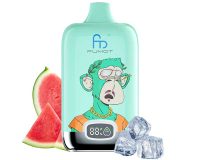
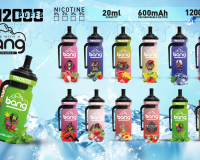
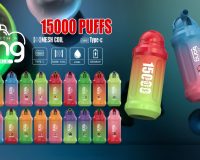
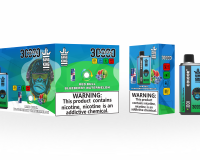
The choice of the right device determines the vaping experience. Currently, three types dominate the market: disposable vapes, pod systems, and modular variants. Each category offers specific advantages – from plug-and-play to fine adjustment.
Disposable vapes in detail
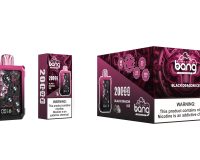
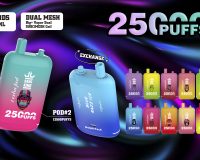
Beginners appreciate the simplicity of disposable models. These devices come pre-filled with 2-5 ml of liquid and deliver about 400-800 puffs. My tests show: The nicotine concentration is usually around 20 mg/ml – ideal for heavy smokers. Disadvantage: Empty devices are thrown away.
| Aspect | Disposable vapes | Rechargeable systems |
|---|---|---|
| Cost per month | 25-40 € | 8-15 € |
| Environmental balance | Bad | Optimizable |
| Customizability | None | Full control |
Clearomizers, pods, and modular systems
Classic devices with clearomizers use replaceable atomizer heads. Pod systems combine compact design with refillable cartridges. My favorite: modular variants with a 1500 mAh battery. They allow precise wattage settings and longer inhalation phases.
The balance between technology and flavor depends on the liquid. Highly viscous ingredients (70% VG) require more powerful devices. During my last model change, I noticed clear differences: Thin liquids in pods deliver more intense flavors, while sub-ohm systems produce voluminous vapor.
Battery technology and performance
Modern batteries form the heart of every vaping device. Their capacity determines how long intense vapor is produced. Lithium-ion cells dominate the market – they deliver high performance in a compact design.
Safety aspects and battery capacity
Built-in protection circuits prevent overheating and deep discharge. My top-rated model features short-circuit protection and voltage regulation. These features are crucial to extend lifespan.
Battery capacity is measured in milliampere-hours (mAh). Here is a comparison of common models:
| Battery type | Capacity | Charges per load |
|---|---|---|
| Integrated | 1500 mAh | 400-500 |
| Replaceable | 3000 mAh | 800-1000 |
My experience shows: Higher mAh values enable longer use but increase weight. For daily use, I prefer 2000mAh batteries – they offer the perfect balance.
Performance directly influences the amount of vapor. Powerful batteries (over 20 watts) produce larger clouds but consume liquid faster. Interesting: Nicotine concentration and power are related. At high wattages, I recommend lower nicotine levels to avoid a too strong heat sensation.
E-cigarette accessories Charging cables, adapters, mouthpieces, and more
An optimal accessory range makes the difference between a good and an outstanding vaping experience. The right parts extend the lifespan of devices and optimize flavor. In my tests: high-quality accessories significantly reduce downtime.
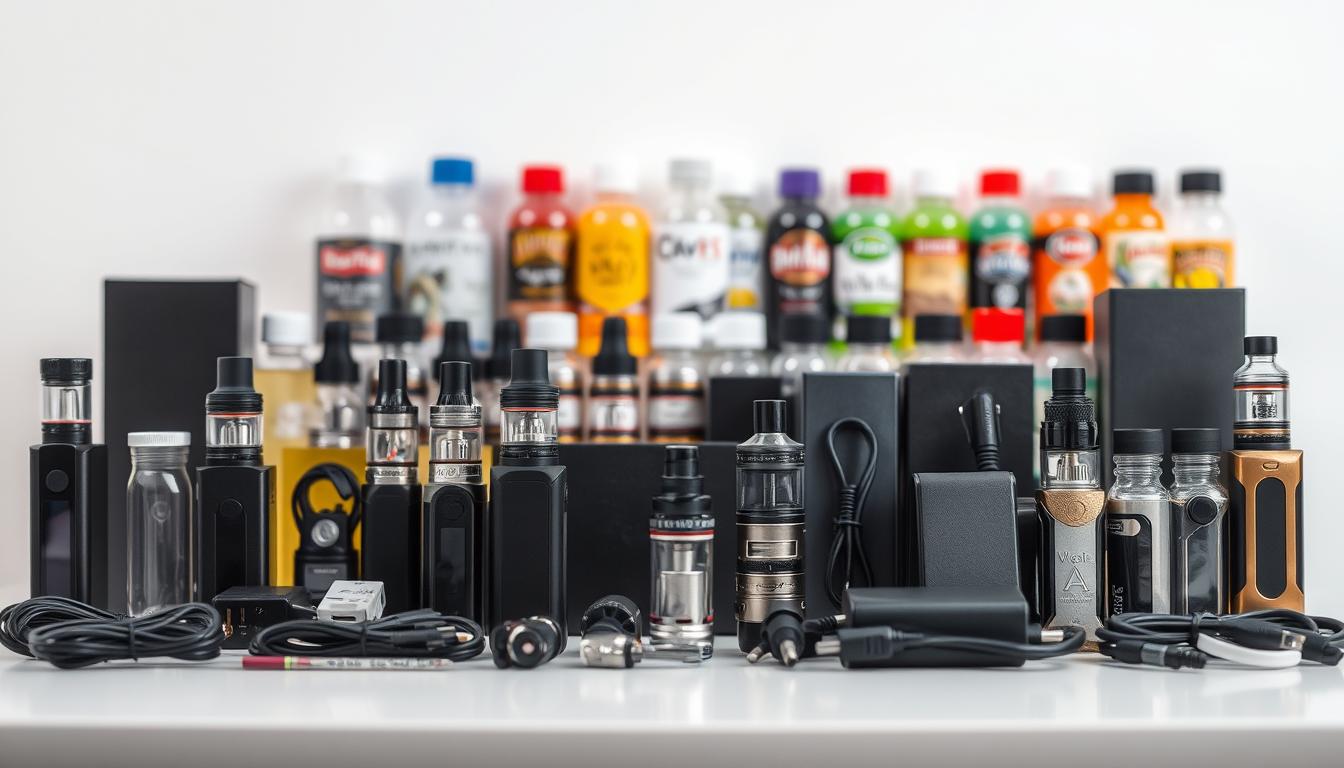
| Accessories | Function | Recommended quality |
|---|---|---|
| USB-C charging cable | Fast charging & compatibility | Rubber coating |
| 510 adapter | Component connection | Stainless steel thread |
| Replacement mouthpieces | Hygiene & flavor preservation | Food-grade material |
Mouthpieces directly influence the aroma. Silicone variants dissipate heat better than plastic. For my pod system, I use interchangeable tips – this way, I test different inhalation techniques.
Compatibility is crucial. Not every charging cable fits all battery types. My rule of thumb: use original accessories from the manufacturer. When it comes to adapters, I pay attention to thread sizes – 510 connectors are now standard.
Personal tip: Always keep spare parts for the liquid reservoir. A defective O-ring can make the entire contents unusable. Since I regularly check seals, I no longer have leaks.
Do-it-yourself rebuildable atomizers and customizations
For adventurous vapers, rebuildable atomizers open up new possibilities. These systems allow you to assemble heating coils and wicks yourself. This way, you can precisely adjust performance and airflow to personal preferences.
Creative freedom vs. technical precision
The biggest advantage lies in control over the liquid content. By creating your own coils, you change the surface of the heating wire. This influences how intensely flavors are released. My tests show: Thinner wires enhance fruity notes.
Challenges arise in regulating the power. Without proper ohm measurement, short circuits are at risk. I always use a multimeter before activating new coils. Too much cotton in the tank blocks inhalation – too little leads to liquid leaks.
| Aspect | DIY systems | Factory-made vaporizers |
|---|---|---|
| Cost per month | 3-7 € | 10-15 € |
| Time investment | 30 minutes/week | None |
| Taste Intensity | Customizable | Standardized |
My tip for beginners: Start with pre-made coil sets. This way, you learn the basics without frustration. When it comes to inhalation technique: slow, even puffs prevent overheating. Since I reduced my wire thickness, I can better taste nuances in the liquid content.
Legal regulations and consumer protection
German laws provide clear framework conditions for handling vaporizer products. The EU Tobacco Products Directive (TPD2) limits nicotine to a maximum of 20 mg/ml in liquids. This regulation protects against overdose and enables controlled consumption.
My research shows: The mg/ml specification determines product choice. Heavy switchers often use 18-20 mg/ml, while connoisseurs prefer lower values. Manufacturers must declare all ingredients – a plus for allergy sufferers.
- Childproof caps for all liquid containers
- Advertising restrictions for nicotine-containing products
- Maximum 10 ml bottles for nicotine liquids
Consumer protection is also evident in online trade. Reputable shops verify age via PostIdent. In my test purchases, age verification was correctly performed in 9 out of 10 cases.
| Country | Max. Nicotine | Liquid size |
|---|---|---|
| United States | 20 mg/ml | 10 ml |
| United States | 50 mg/ml | 30 ml |
| Japan | 0 mg/ml* | No limit |
*Nicotine liquids only available with pharmaceutical license
International comparisons reveal significant differences. While the United States promotes awareness campaigns, Germany relies on strict regulations. My experience: Local guidelines create safety without restricting variety.
Health aspects and user experiences
Since switching two years ago, I have noticed physical changes. The typical morning hoarseness after tobacco cigarettes did not occur, nor did the annoying cough reflex. My sense of smell improved significantly – a benefit confirmed by many vapers.
Personal vaping experiences
Initially, I used 12 mg/ml nicotine, now reduced to 6 mg/ml. This gradual decrease was easier than expected. Controlling the nicotine dose allowed me to manage withdrawal symptoms effectively.
Especially impressive is the variety of flavors. With aromas like citrus-mint or mango ice, I avoid the uniform taste of traditional cigarettes. The vaping experience feels gentler – no more burning sensation in the throat.
Comparison to traditional cigarettes
Tobacco smoke contains over 70 carcinogenic substances. When vaping, I inhale a maximum of five components. I notice this reduction in my breathing: no more tightness after long sessions.
| Aspect | Traditional smoking | Vaping |
|---|---|---|
| Cough reflex | Frequent | Rarely |
| Odor nuisance | Strong | Minimum |
| Nicotine control | None | Precise |
Many acquaintances report similar experiences: improved endurance in sports, whiter teeth. However, nicotine remains a stimulant – no variant is completely risk-free.
Consumer tips What to consider when buying
Want to find the best value for money? Focus on three key factors: battery performance, material quality, and liquid compatibility. High-quality devices are recognized by precise power ratings (10-80 Watts) and temperature-controlled heating systems.
Quality features in detail
My experience shows: stainless steel cases and ceramic atomizer heads last longer than plastic variants. Test before purchasing whether the device can handle your favorite liquids – highly viscous contents require more powerful models.
| Price range | Average lifespan | Recommended usage |
|---|---|---|
| Under $30 | 6-8 months | Occasional vaping |
| 50-80 € | 12-18 months | Daily use |
For nicotine content, start low. For beginners, I recommend 6-12 mg/ml – this helps avoid overdosing. Look for TUV-certified liquids with full ingredient disclosure.
My personal advice: Use shops with detailed product videos. Reputable providers show device functions live – from wattage regulation to tank replacement. This helps you avoid wrong purchases due to unclear descriptions.
Market trends and future prospects
Innovations are rapidly transforming the market for nicotine-containing vaporizer devices. Current studies show: By 2027, sales could increase by 341 trillion units. Manufacturers are increasingly focusing on bio-based liquids and sustainable materials – a trend driven by environmental awareness.
Ultrasound nebulizers revolutionize flavor release. This technology works without heating coils and heats liquids more precisely. My tests show: Fruit notes become more intense, while tobacco flavors lose popularity.
Legal regulations shape development. The planned EU nicotine tax could regulate mg/ml specifications more strictly. At the same time, many countries promote tobacco abstinence through education – a factor that accelerates switching to alternative systems.
Consumers are increasingly preferring lower nicotine levels. The share of 3-6 mg/ml liquids increased by 181 trillion units in 2023. This development allows gradual cessation and is reflected in new device features.
My forecast: The industry will split into two directions. On one side, highly technical devices with AI control, and on the other, minimalist designs for casual users. The future belongs to personalized solutions – entirely without combustion processes.
The development of recent years clearly shows: Modern vaporizer systems offer a convincing alternative to traditional cigarettes. By avoiding combustion, they reduce health risks and enable precise nicotine control. My personal switch three years ago not only improved my sense of smell but also made the vaping experience more diverse.
The key lies in choosing the right liquid. High-quality ingredients and coordinated flavors determine taste intensity and compatibility. My experience as a long-term user shows: Those who take time to select devices will be rewarded with reliability and individual settings.
Compared to tobacco cigarettes, e-systems impress with reduced odor nuisance and adaptability. The technology is developing rapidly – features like AI-controlled temperature regulation or bio-based materials will shape the market in the future. For me, it’s clear: These innovations make vaping a sustainable solution.