
Global Regulation of the Vaping Industry: A Comprehensive Guide to Safety, Laws, and Market Trends (2025)
The vaping industry has undergone an unprecedented transformation over the past ten years. What once started as a niche movement has developed into a global market offering millions of people an alternative to traditional tobacco consumption. However, this rapid growth has not gone unnoticed by lawmakers. Today, the market for e-cigarettes, e-liquids, and disposables is one of the most heavily regulated sectors in the realm of consumables.
The increasing popularity of vapes brings both opportunities and complex challenges. Governments worldwide have responded by implementing a dense network of rules and regulations. These primarily aim to protect public health, prevent youth access, and ensure product quality.
In this detailed dossier, we examine the seven most important pillars of global and national regulation. We analyze what these rules mean for consumers and retailers, how quality standards affect products, and why compliance (regulatory adherence) is key to the future of vaping.
1. Youth Protection: The Unnegotiable Foundation
No topic is discussed more intensely in connection with e-cigarettes than youth protection. The concern that vapes could lead a new generation into nicotine addiction is the main driver behind strict restrictions worldwide.
Strict age limits as a global standard
Since e-cigarettes generally contain nicotine – a nerve toxin with high addiction potential – almost all countries have legally restricted access for minors.
- Situation in Germany and the European Union: According to the Youth Protection Act (JuSchG), the sale of e-cigarettes and e-liquids to children and adolescents under 18 is strictly prohibited. This applies regardless of whether the products contain nicotine or not. The legislator also considers practicing inhalation behavior as critical.
- International differences: While in Europe the age of majority (usually 18 years) is the cutoff, the United States has raised the minimum age nationwide to 21 years under the 'Tobacco 21' legislation. Countries in Asia are also considering similar steps.
Neurological reasons for restrictions
Research findings support this strict stance. The human brain develops until into the mid-20s. Nicotine can impair the development of the prefrontal cortex during this sensitive phase, which is responsible for impulse control and attention. Age restrictions are therefore not a mere formality but a medically grounded preventive measure. Retailers who violate these regulations risk not only hefty fines but also the revocation of their business license.
2. Product Quality and Safety: The End of the 'Wild West'
In the early years of the vaping movement, there were hardly any standards. Today, laws such as the European Tobacco Products Directive (TPD2) ensure that consumers receive safe products. This concerns both the chemical composition of the liquids and the technical safety of the hardware.
Material standards and emission testing
Manufacturers are required to subject their products to extensive testing before they can be marketed.
- Chemical safety: It must be ensured that heating the liquid does not produce toxic substances such as formaldehyde or acetaldehyde in harmful concentrations.
- Ingredients: Certain additives are prohibited. These include vitamins (which suggest health benefits), caffeine, taurine, as well as certain colorings that are classified as CMR substances (carcinogenic, mutagenic, reproductive toxic).
- Technical Reliability: Batteries and atomizer heads must be safe. Modern devices feature protective circuits against overheating, deep discharge, and short circuits.
Innovation meets safety
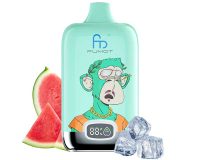
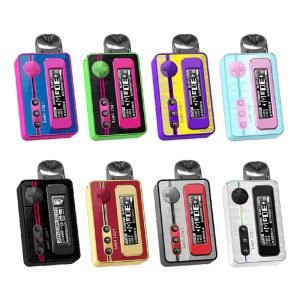
An excellent example of the combination of high performance and compliance with modern safety standards are current disposable vapes. Models like the RandM Tornado 9000 demonstrate how advanced the technology has become. With advanced mesh coil technology, they ensure even vaporization, minimizing the risk of 'Dry Hits' (burning the cotton) while providing an intense flavor experience. Such products undergo strict quality controls to ensure they meet the requirements of the European market.
3. Advertising Bans: Protection from Media Temptation
The visibility of e-cigarettes in the media has been drastically restricted. The goal is to eliminate the 'coolness factor' that is especially attractive to young people.
The comprehensive outdoor advertising ban
Germany has tightened its laws in this area in recent years.
- Billboards and advertising columns: Outdoor advertising for e-cigarettes is largely prohibited in public spaces.
- Cinema and Events: Advertising spots in cinemas are only allowed before films with an FSK-18 rating. Sponsorship of events with cross-border impact (such as Formula 1 or large music festivals) is prohibited.
The digital barrier
Rules are even stricter on the internet. Paid advertising on social media platforms like Instagram, TikTok, or Facebook is generally prohibited for tobacco and nicotine products. Influencer marketing is also under strict scrutiny. Campaigns that use youth-oriented imagery, comics, or misleading health claims are consistently pursued by regulatory authorities. Reputable brands therefore rely on sober, informative communication that is exclusively aimed at adult smokers and vapers.
4. Regulation of Nicotine Content: The 20mg Limit
A central component of TPD2 in Europe is the restriction of nicotine content.
The upper limits in the EU
In the entire European Union, E-liquid may not exceed a nicotine concentration of 20 mg/ml not to be exceeded.
- Background: This limit is considered a compromise. It is high enough to enable heavy smokers to switch, but prevents extremely high-dose products that would increase the risk of poisoning through swallowing (especially in young children).
- Container size: Nicotine-containing liquids may only be sold in bottles with a maximum of 10 ml content.
The difference from other markets
In the US or Canada, there were long no such upper limits, which is why products with up to 50 mg/ml were available there. However, standards are now aligning worldwide, as many countries consider European regulations as a safety model.
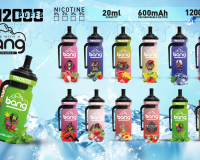
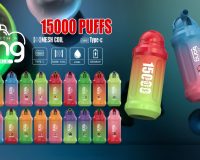
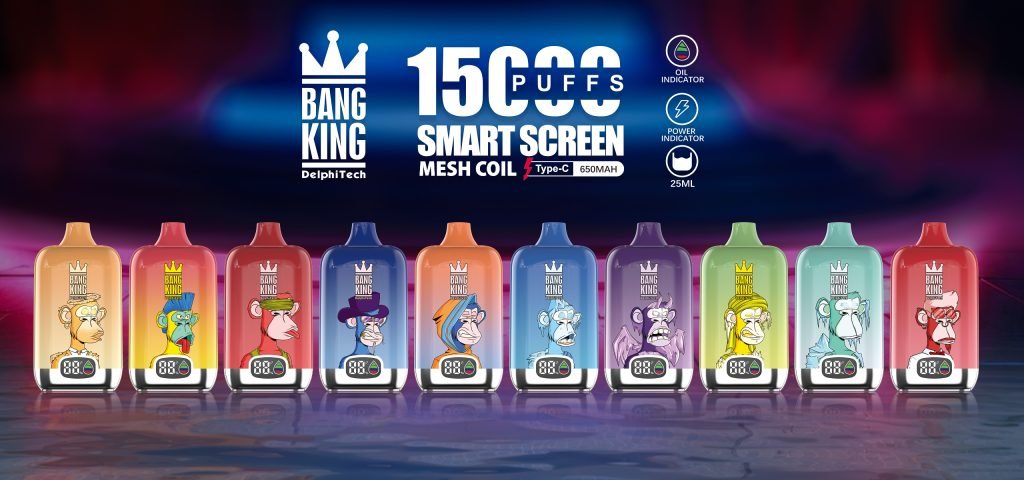
An important trend in this area is nicotine salts (Nic Salts). They allow for a pleasant vaping experience without harsh throat hit even at 20 mg/ml, which is especially advantageous with compact devices like those from the popular Bang King series These products provide efficient nicotine absorption similar to smoking a cigarette, thus facilitating smoking cessation.
5. Fiscal regulation: The tobacco tax on liquids
Taxation is one of the most powerful tools for the government to influence consumption. In Germany, a fundamental reform came into effect on July 1, 2022: the tobacco tax on substitutes for tobacco products.
What is taxed?
The tax applies not only to nicotine but to the entire volume of the liquid intended for vaping. This means that nicotine-free bases (VG/PG) and flavors are also subject to tobacco tax once sold as e-cigarette supplies.
- The consequences: This has led to a significant increase in prices. A 10ml bottle of liquid has become noticeably more expensive, and the previously popular DIY mixing with large 1-liter base bottles has become economically unattractive.
- Objective: The government pursues two goals: generating tax revenue and creating a price threshold that especially discourages youth from starting.
International discrepancies
Tax models vary greatly worldwide. While countries like the United Kingdom pursue a 'Harm Reduction' approach and low taxes on e-cigarettes or even promote them within the healthcare system, countries like Germany treat them the same as tobacco. This leads to a complex market where prices can fluctuate significantly within Europe.
6. The Online Trade: Gatekeeper of Youth Protection
Since brick-and-mortar stores often cannot offer the variety of devices and flavors, online trade plays a central role. But how can one ensure online that the customer is of legal age?
The Two-Stage Verification System
In Germany, online shops must meet strict requirements that go far beyond a simple 'Yes, I am 18' pop-up.
- Identity check at purchase: During the ordering process, the customer's data (name, address, date of birth) are checked in real-time against databases (e.g., SCHUFA identity check or ID card algorithms).
- Age verification upon delivery: The most important step occurs at the doorstep. The package is shipped with the note 'Age Verification.' The delivery person (e.g., DHL) may only hand over the package to the recipient personally or to an adult household member. Delivery to a preferred location (garage, terrace) is legally prohibited.
Cross-border Trade and Customs
Consumers should be cautious when ordering from shops not based in the EU. If products do not bear German tax labels or warning notices are not in German, they are often confiscated by customs. Purchasing from established dealers with EU warehouse not only guarantees fast delivery but also legal certainty for the buyer.
7. Research and Monitoring: A Dynamic Process
Regulation is never static. Authorities such as the Federal Institute for Risk Assessment (BfR) in Germany or the FDA in the US continuously conduct studies.
Long-term studies and risk assessment
Since e-cigarettes are a relatively new phenomenon, research focuses on potential long-term effects. Current data suggest that e-cigarettes are significantly less harmful than traditional tobacco (according to the British health authority PHE, up to 95% less harmful), but they are not risk-free. Government monitoring programs also analyze market trends to respond quickly to new developments—such as the emergence of synthetic cannabinoids or new design forms that could appeal to children.
Responsible enjoyment in a regulated market
The vaping industry has moved beyond experimental wild growth and entered a phase of maturity. The multitude of rules and regulations may sometimes seem bureaucratic to individuals, but they form the foundation for a safe market.
For the end consumer, compliance with these rules means safety:
- Safety that the liquid in the tank is pure.
- Safety that the battery has been technically tested.
- Safety that minors are protected.
Manufacturers and retailers who see these regulations not just as a requirement but as a quality feature will endure in the long term. It pays for vapers to make informed decisions and to purchase products like the RandM Tornado or the Bang King Series only from trusted sources that respect legal standards. The future of vaping is regulated – and that is good news for quality.