Die Diskussion über E-cigarettes hat in den letzten Jahren stark an Bedeutung gewonnen. Many people wonder, ob das Dampfen gesundheitsschonend ist oder ob es ähnliche Risiken birgt wie herkömmliches Rauchen.
Um diese Frage zu beantworten, is it important, zwischen den schädlichen und potenziell weniger schädlichen Aspekten zu differenzieren. E-Zigaretten enthalten im Vergleich zu herkömmlichen Zigaretten weniger krebserzeugende Substanzen, doch die langfristigen Auswirkungen bleiben unklar.
Wissenschaftliche Studien deuten darauf hin, dass E-Zigaretten zwar nicht vollständig harmlos sind, aber möglicherweise eine weniger schädliche Alternative darstellen. Dennoch sollten Raucher und Dampfer die Risiken nicht unterschätzen.
In diesem Artikel werfen wir einen Blick auf die Auswirkungen von E-Zigaretten auf die Gesundheit und diskutieren die rechtlichen Rahmenbedingungen sowie Sicherheitsstandards.
Grundlagen der E-Zigarette
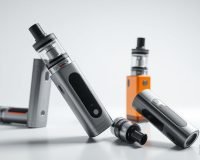
Die E-Zigarette, auch bekannt als E-Zig oder Dampfer, besteht aus wenigen, aber wichtigen Komponenten. Das Gerät setzt sich aus einem Verdampfer, einer Kartusche oder einem Depot mit Liquid und einer Batterie zusammen. Der Verdampfer, oft aus Nickel-Chrom gefertigt, erhitzt das Liquid auf Temperaturen zwischen 150 bis 200 Grad Celsius.
Aufbau und Funktionsweise
Der Verdampfer ist das Herzstück der E-Zigarette. Er verantwortlicht das Erhitzen des Liquids, das meist Nikotin und verschiedene Inhaltsstoffe enthält. Die Kartusche oder das Depot speichert das Liquid, während die Batterie die notwendige Energie liefert, um den Verdampfungsvorgang zu ermöglichen.
Die Funktionsweise ist einfach: Wenn der Benutzer auf den Auslöser drückt, aktiviert sich die Batterie und gibt Energie an den Verdampfer weiter. Das Liquid im Depot wird erhitzt und vernebelt, which creates the steam, den der Benutzer einatmet.
Technologische Entwicklung der Geräte
In den letzten Jahren haben sich E-Zigaretten deutlich weiterentwickelt. Moderne Geräte bieten bessere Temperaturregelung, effizientere Akkus und größere Depots. Diese Innovationen haben das Dampferlebnis verbessert und gleichzeitig die Sicherheit erhöht.
BatterieBegrenzte KapazitätHöhere Kapazität und SchnellladefunktionDepotKleinere KapazitätGrößere Kapazität und Anti-Leckage-Systeme
| Components | Erste Generation | Modern models |
|---|---|---|
| Evaporator | Einfache Metallwicklung | stainless steel- oder Keramikheizelemente |
Die technische Entwicklung der E-Zigaretten hat nicht nur das Design, sondern auch die Funktionalität revolutioniert. Heute bieten Geräte mehr Komfort und Sicherheit als je zuvor.
Inhaltsstoffe und Liquid-Zusammensetzung
Die Zusammensetzung der Liquids in E-Zigaretten ist von entscheidender Bedeutung, da sie direkt die Gesundheit und das Dampferlebnis beeinflusst. Die meisten Liquids bestehen aus einer Kombination von Nikotin, Aromen und Verneblungsstoffen.
Nikotin versus nikotinfreie Liquids
Ein wesentlicher Unterschied liegt in der Anwesenheit von Nikotin. Nikotinhaltige Liquids bieten die gewohnte Stimulation, während nikotinfreie Varianten eine alternative Wahl für diejenigen darstellen, who want to avoid nicotine. Studies show, dass nikotinfreie Liquids oft unklare Mischungen aufweisen können, was die gesundheitliche Bewertung erschwert.
Zusätzliche Aromen und Verneblungsstoffe
Verneblungsstoffe wie Propylenglykol und Glycerin sorgen für die Bildung des Dampfes. Aromen wie Vanille oder Menthol verbessern den Geschmack. Diese Zusätze können jedoch potenzielle Risiken bergen, insbesondere bei längerem Gebrauch.
| Bestandteil | Description |
|---|---|
| Nicotine | Wird zur Nachahmung des Rauchgefühls verwendet. |
| Propylene glycol | Hilft beim Vernebeln des Liquids. |
| Glycerin | Sorgt für eine dickere Dampfentwicklung. |
| Flavors | Erhöhen den Geschmack. |
Die genaue Zusammensetzung der Liquids ist oft unklar, besonders bei nikotinfreien Produkten. Dies macht eine umfassende gesundheitliche Bewertung schwierig.
Rechtliche Rahmenbedingungen und Kennzeichnung
Die rechtlichen Bestimmungen für E-Zigaretten in Deutschland und der EU sind klar definiert, um Verbraucher zu schützen und Transparenz zu gewährleisten. Diese Regelungen sind entscheidend, um die Sicherheit und das Bewusstsein der Nutzer zu erhöhen.
EU-Tabakproduktrichtlinie und deutsche Vorschriften
The EU tobacco product trichtlin (2014/40/EU) und das Tabakerzeugnisgesetz in Deutschland legen spezifische Anforderungen fest. Dazu gehören Warnhinweise und detaillierte Inhaltsstoffdeklarationen. Hersteller müssen diese Vorschriften strikt einhalten, um einen sicheren Vertrieb zu gewährleisten.
Besonders bei nikotinhaltigen Liquids müssen die Hersteller genaue Angaben machen. Nikotinfreie Produkte unterliegen anderen Kennzeichnungspflichten, was die Übersicht für Verbraucher erleichtert. Diese Unterschiede in der Kennzeichnung helfen, die Produkte besser zu verstehen und die potenziellen Risiken zu minimieren.
Die Kennzeichnung umfasst nicht nur die Inhaltsstoffe, sondern auch gesundheitliche Warnungen. Dies dient dem Schutz der Verbraucher und gibt ihnen die Möglichkeit, fundierte Entscheidungen zu treffen. Durch diese Regelungen wird auch der Markt reguliert, wodurch ein faires Wettbewerbsumfeld gefördert wird.
Sicherheitsstandards und Qualitätskontrolle
Sicherheitsstandards und Qualitätskontrolle spielen eine zentrale Rolle bei der Entwicklung moderner E-Zigaretten. Hersteller müssen strenge gesetzliche Vorgaben erfüllen, um die Sicherheit der Geräte und der Liquids zu gewährleisten.
Herstellerprüfungen und gesetzliche Vorgaben
Hersteller setzen nicht nur gesetzliche Standards um, sondern führen auch interne Qualitätskontrollen durch. Dazu gehören Prüfungen der Inhaltsstoffe, der Schadstofffreiheit und der allgemeinen Sicherheit des Produkts. Diese Maßnahmen sollen sicherstellen, dass die Geräte den Anforderungen entsprechen und keine unerwünschten Risiken bergen.
| Components | Ältere Modelle | Neuere Modelle |
|---|---|---|
| Evaporator | Einfache Metallheizelemente | stainless steel- oder Keramikheizelemente |
| Battery | Begrenzte Kapazität | Höhere Kapazität und Schnellladefunktion |
| Depot | Kleinere Kapazität | Größere Kapazität und Anti-Leckagesysteme |
Die technischen Parameter wie Spannung und Temperatur haben einen bedeutenden Einfluss auf die Dampfentstehung. Studies show, dass neuere Modelle zwar höhere Sicherheitsstandards erfüllen, aber variable Einstellungen zu unterschiedlicher Dampfqualität führen können. Schadstoffmessungen und Prüfungen tragen dazu bei, die Sicherheit der Produkte zu gewährleisten.
Die Kombination aus gesetzlichen Vorgaben und internen Qualitätskontrollen sorgt dafür, dass E-Zigaretten heute sicherer sind als je zuvor. Still, it's important, die technischen Parameter und die Auswirkungen auf die Dampfqualität zu berücksichtigen, um ein sicheres Konsumverhalten zu gewährleisten.
e zigarette schädlich Risiken und gesundheitliche Aspekte
Die gesundheitlichen Auswirkungen von E-Zigaretten sind ein zentrales Thema in der aktuellen Diskussion. Während das Dampfen als weniger schädlich gilt als herkömmliches Rauchen, gibt es doch Anzeichen für potenzielle Risiken.
Kurzfristige Auswirkungen auf Lunge und Herz
Studies show, dass bereits der Konsum einer einzigen E-Zigarette die Herzfrequenz erhöhen kann. Darüber hinaus kann das Dampfen zu einer vorübergehenden Entzündung der Lunge führen. Diese Effekte sind oft unmittelbar nach dem Gebrauch sichtbar und können bei empfindlichen Personen verstärkt auftreten.
Ein direkter Vergleich mit herkömmlichen Zigaretten zeigt, dass die akuten Auswirkungen beim Dampfen weniger stark sind. Dennoch bleibt das Risiko einer Belastung von Lunge und Herz bestehen.
Langfristige Studien und Forschungsergebnisse
Langzeitstudien zu den Auswirkungen des Dampfens sind bisher rar. Erste Ergebnisse deuten jedoch auf eine Zunahme oxidativen Stresses hin, der langfristig zu gesundheitlichen Problemen führen kann. Forscher betonen, dass weitere Untersuchungen erforderlich sind, um die vollständigen Auswirkungen über mehrere Jahre zu verstehen.
Trotz der positiven Ansätze in der Reduzierung von Schadstoffen im Vergleich zu herkömmlichen Zigaretten bleibt die Wissenschaft vorsichtig. Die langfristigen Folgen des Dampfens bleiben daher ein zentrales Forschungsthema.
| Zeitraum | Auswirkung | Description |
|---|---|---|
| Kurzfristig | Herzfrequenz | Erhöhte Herzfrequenz nach einzelner Nutzung. |
| Kurzfristig | Lungenentzündung | Vorübergehende Entzündungsreaktionen in der Lunge. |
| Langfristig | Oxidativer Stress | Mögliche langfristige Schäden durch freie Radikale. |

Vergleich mit herkömmlichen Zigaretten
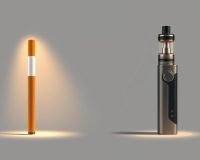
Der Vergleich zwischen E-Zigaretten und herkömmlichen Zigaretten zeigt deutliche Unterschiede in Bezug auf Schadstoffgehalt und gesundheitliche Auswirkungen. Während herkömmliche Zigaretten eine Vielzahl von krebserregenden Substanzen enthalten, weisen E-Zigaretten laut Studien des Deutschen Krebsforschungszentrums deutlich geringere Schadstoffkonzentrationen auf.
Schadstoffgehalt im Vergleich
Ein direkter Vergleich der Schadstoffkonzentrationen zeigt, dass E-Zigaretten im Durchschnitt weniger schädliche Substanzen wie Teer, Kohlenmonoxid und polyzyklische aromatische Kohlenwasserstoffe (PAH) contain. Dies reduziert das Risiko für schwerwiegende Krankheiten, ist aber nicht völlig risikofrei.
| Substanz | Herzkonsum herkömmlicher Zigaretten | Herzkonsum E-Zigaretten |
|---|---|---|
| Plate | Hoch | Low |
| Teer | Hoch | Low |
| Carbon monoxide | Hoch | Low |
| Nicotine | Variabel | Variabel |
| PAH | Hoch | Low |
Auswirkungen auf das Herz-Kreislauf-System
Die Auswirkungen auf das Herz-Kreislauf-System sind bei E-Zigaretten weniger dramatisch als bei herkömmlichen Zigaretten. Studies show, dass der Konsum von E-Zigaretten zu einer geringeren Belastung des Herzens führt, obwohl eine leichte Erhöhung der Herzfrequenz möglich ist.
| Effekt | Herzkonsum herkömmlicher Zigaretten | Herzkonsum E-Zigaretten |
|---|---|---|
| Herzfrequenz | Erhöht | Geringfügig erhöht |
| Blutdruck | Erhöht | Geringfügig erhöht |
| Atherosklerose | Hoch | Low |
Obwohl E-Zigaretten als weniger schädlich angesehen werden, is it important, die langfristigen Auswirkungen weiter zu erforschen. Der Konsum beider Produkte birgt Risiken, und eine fundierte Entscheidung ist unerlässlich.
Technologische Innovationen im Dampfen
Die Technologie hinter E-Zigaretten hat sich in den letzten Jahren deutlich weiterentwickelt. Moderne Geräte bieten heute eine Vielzahl von Innovationen, die das Dampferlebnis sowohl sicherer als auch angenehmer machen.
Eine der bedeutendsten Neuerungen ist die Möglichkeit, den Stromfluss und die Temperatur individuell einzustellen. Diese Einstellungen ermöglichen es, den Dampf optimal auf die verwendete Flüssigkeit abzustimmen. Dadurch wird nicht nur der Geschmack verbessert, sondern auch die Menge des Dampfes angepasst.
Die Weiterentwicklung der Akkutechnologie ist ein weiterer Meilenstein. Neuere Modelle verfügen über sicherere und leistungsfähigere Batterien, die länger halten und schneller geladen werden können. Zudem sind die Verdampfer-Systeme fortschrittlicher geworden, was zu einer gleichmäßigeren Erhitzung des Liquids führt.
| Components | Ältere Modelle | Neuere Modelle |
|---|---|---|
| Heating element | Einfache Metallheizelemente | stainless steel- oder Keramikheizelemente |
| Battery | Begrenzte Kapazität | Höhere Kapazität und Schnellladefunktion |
| Depot | Kleinere Kapazität | Größere Kapazität und Anti-Leckagesysteme |
Studies show, dass diese technischen Fortschritte nicht nur das Dampferlebnis verbessern, sondern auch den Konsum von Nikotin und die Freisetzung von Schadstoffen beeinflussen können. Durch veränderbare Einstellungen lässt sich beispielsweise die Menge des inhalierten Nikotins reduzieren, was insbesondere für Menschen interessant ist, who try, ihre Abhängigkeit zu verringern.
You look into the future, deutet sich an, dass die Technologie weiter an Fahrt gewinnen wird. Erneuerbare Energiequellen, intelligente Temperaturregelungssysteme und noch effizientere Verdampfer könnten die Branche prägen. Diese Entwicklungen werden nicht nur das Dampfen noch sicherer machen, sondern auch das Bedürfnis der Nutzer nach individualisierten Erfahrungen stillen.
Einfluss von Zusatzstoffen und Aromen
Die Zusammensetzung von Liquids in E-Zigaretten spielt eine entscheidende Rolle, da sie direkt das Dampferlebnis und die Gesundheit beeinflusst. Aromen und aromatische Zusatzstoffe sind wichtige Bestandteile, die den Geschmack und die Qualität des Dampfes prägen.
Ein wesentlicher Aspekt ist die Tatsache, dass die genaue Zusammensetzung der Liquids oft unklar bleibt. Insbesondere bei nikotinfreien Produkten können aromatische Stoffe enthalten sein, die nicht ausreichend deklariert sind. Dies birgt potenzielle gesundheitliche Risiken, especially for young people, da unerwünschte Inhaltsstoffe die Entwicklung beeinträchtigen können.
| Components | Ältere Modelle | Neuere Modelle |
|---|---|---|
| Evaporator | Einfache Metallheizelemente | stainless steel- oder Keramikheizelemente |
| Battery | Begrenzte Kapazität | Höhere Kapazität und Schnellladefunktion |
| Depot | Kleinere Kapazität | Größere Kapazität und Anti-Leckagesysteme |
Beispiele für Aromen sind Vanille, Erdbeere oder Minze. Diese Aromen können das Dampferlebnis angenehmer machen, bergen aber auch mögliche gesundheitliche Folgen. Studies show, dass bestimmte Aromastoffe langfristig zu Entzündungen oder anderen gesundheitlichen Problemen führen können.
Zusatzstoffe wie Propylenglykol und Glycerin beeinflussen die Konsistenz und den Geschmack des Dampfes. Diese Stoffe können jedoch auch die Aufnahme von Nikotin beeinflussen und somit den Konsum verändern. It is important, die Zusammensetzung der Liquids sorgfältig zu prüfen, um gesundheitliche Risiken zu minimieren.
E-Zigaretten als Hilfsmittel zur Rauchentwöhnung
Die E-Zigarette wird immer öfter als möglicher Ersatz für herkömmliche Zigaretten diskutiert. Viele Raucher suchen nach einer Alternative, um ihre Nikotinsucht zu überwinden.
Erfahrungsberichte und Studienergebnisse
Many former smokers report, dass das Dampfen ihnen geholfen hat, to stop smoking. Studien, unter anderem aus England, show, dass E-Zigaretten die Nikotinaufnahme deutlich reduzieren können.
| Category | Conventional cigarettes | E-cigarettes |
|---|---|---|
| Nikotinaufnahme | Hoch | Significantly reduced |
| Gesundheitliche Risiken | Hoch | Geringer |
| Erfolg bei Entwöhnung | Low | Higher |
Es ist jedoch wichtig, die potenziellen Risiken beim Umstieg zu berücksichtigen. E-Zigaretten können süchtig machen, und die langfristigen Auswirkungen sind noch nicht vollständig erforscht.
Neben dem Dampfen gibt es weitere Hilfsangebote zur Rauchentwöhnung, wie zum Beispiel Nikotinpflaster oder -kaugummis. Eine Kombination aus verschiedenen Methoden kann oft erfolgreich sein.
Tabakerhitzer und alternative Produkte
Tabakerhitzer sind eine interessante Alternative zu herkömmlichen E-Zigaretten. Anders als E-Zigaretten, die ein Liquid verdampfen, erhitzen Tabakerhitzer Tabakstücke auf eine Temperatur von etwa 350 Grad, um den Rauch zu erzeugen. Dieser Prozess reduziert die Bildung von Schadstoffen im Vergleich zu traditionellem Rauchen.
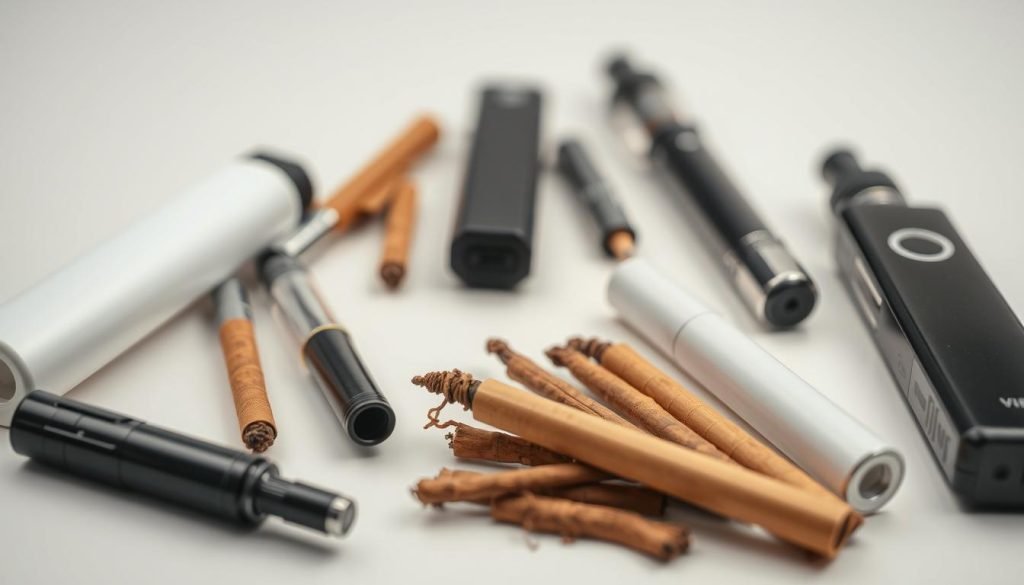
Eine der wichtigsten Vorteile von Tabakerhitzern ist die geringere Menge an Schadstoffen wie Formaldehyd. Studies show, dass Tabakerhitzer bis zu 90% weniger Schadstoffe produzieren können. Dennoch sind sie nicht vollständig risikofrei. Long-term studies are still missing, um die gesundheitlichen Auswirkungen zu verstehen.
| Product | Tabakerhitzer | E-cigarette |
|---|---|---|
| Prinzip | Erhitzen von Tabak | Verdampfen von Liquid |
| Pollutants | Geringere Menge | Abhängig vom Liquid |
| Risiko | Geringer als Rauchen | Abhängig von Nikotin |
For smokers, who have difficulties, to stop smoking, können Tabakerhitzer eine Zwischenschritt sein. Sie bieten eine bekanntere Erfahrung, was das Dampfen angeht, und reduzieren gleichzeitig die Belastung durch Schadstoffe.
Die Bedeutung wissenschaftlicher Studien
Wissenschaftliche Studien sind unerlässlich, um die Auswirkungen des Dampfens auf die menschliche Gesundheit zu verstehen. Insbesondere in den letzten Jahren haben Forscher verstärkt die langfristigen Folgen des Konsums von E-Zigaretten untersucht.
Aktuelle Forschungsergebnisse und Kontroversen
Studien aus den USA und anderen Ländern zeigen, dass das Dampfen möglicherweise kardiopulmonale Risiken birgt. Ein besonderes Augenmerk liegt auf dem Einfluss von Vitamin-E-Acetat im Dampf. Dieser Stoff wurde in einigen Fällen mit schweren Lungenproblemen in Verbindung gebracht.
| Studie | Ergebnis | Kontroverse |
|---|---|---|
| Langzeitstudien | Mögliche langfristige Schäden | Ergebnisse sind nicht eindeutig |
| Vitamin-E-Acetat | Gesundheitliche Risiken | Ursachen noch unklar |
| Nicotine consumption | Abhängigkeitspotenzial | Debatte über Dosis und Wirkung |
Die Diskussionen in der wissenschaftlichen Gemeinschaft sind kontrovers. Während einige Studien auf potenzielle Risiken hinweisen, betonen andere die Vorteile des Dampfens im Vergleich zu herkömmlichem Rauchen. Die Meinungen gehen auseinander, insbesondere bei der Bewertung der langfristigen Auswirkungen.
Unabhängige Studien sind entscheidend, um Verbraucher zu schützen. Sie liefern die notwendigen Daten, um fundierte Entscheidungen zu treffen. Ohne regelmäßige Forschung wäre es schwierig, die Risiken und Entwicklungen im Bereich des Dampfens zuverlässig zu bewerten.
Passivdampf und gesundheitliche Risiken für das Umfeld
Passivdampf bezieht sich auf den Dampf, der von E-Zigaretten in die Umgebungsluft gelangt. Experten warnen vor den gesundheitlichen Risiken, insbesondere für Kinder und Schwangere, da dieser Dampf Schadstoffe enthalten kann.
Auswirkungen auf Kinder und Schwangere
Kinder und Schwangere sind besonders anfällig für die Auswirkungen von Passivdampf. Studies show, dass der Einatmung von Dampf zu gesundheitlichen Beeinträchtigungen führen kann, einschließlich Problemen der Lunge.
Die Risiken für Kinder sind besonders besorgniserregend, da ihre Atemwege noch nicht vollständig entwickelt sind. Schwangere again, die dem Dampf ausgesetzt sind, könnten Risiken für die Gesundheit ihres ungeborenen Kindes bergen.
Um diese Risiken zu minimieren, sollten Dampfer Vorsichtsmaßnahmen in öffentlichen Räumen ergreifen. Dies umfasst das Vermeiden des Dampfens in der Nähe von Kindern und Schwangeren sowie das Einhalten von Nichtraucherschutzbestimmungen.
Die gesellschaftliche Verantwortung von Dampfern ist unerlässlich, um den Schutz von Nichtrauchern zu gewährleisten. Durch bewusstes Handeln kann die Exposition gegenüber Passivdampf reduziert werden.
Praktische Tipps für einen sicheren Umgang mit E-Zigaretten
Der sichere und effiziente Umgang mit E-Zigaretten erfordert Kenntnisse über den richtigen Gebrauch und die Pflege der Geräte. Nur so können Nutzer das Risiko von Unfällen minimieren.
- Richtiger Gebrauch und Pflege der Geräte: Make sure, dass Sie die E-Zigarette gemäß den Anweisungen des Herstellers verwenden. Reinigen Sie regelmäßig die Verdampfer und ersetzen Sie bei Bedarf die Kartuschen.
- Regular maintenance: Überprüfen Sie die Geräte regelmäßig auf Verschleiß oder Schäden. Eine sorgfältige Lagerung in einem trockenen, kühlen Ort verhindert Schäden am Akku und anderen Komponenten.
- Optimale Einstellungen: Stellen Sie die Temperatur und die Leistung Ihres Geräts so ein, dass sie zu Ihrem Dampfmuster passen. Eine zu hohe Temperatur kann den Geschmack beeinträchtigen und die Lebensdauer des Verdampfers verkürzen.
- Vermeidung von Fälschungen: Kaufen Sie ausschließlich zertifizierte Produkte von bekannten Herstellern. Falsifikate können gesundheitliche Risiken bergen und sind oft nicht sicher.
- Persönliche Erfahrungen: Aus meinem eigenen Erfahrungsschatz kann ich sagen, dass Sorgfalt und regelmäßige Kontrolle unerlässlich sind. Ein gut gepflegtes Gerät bietet ein besseres Dampferlebnis und reduziert potenzielle Gefahren.
By following these tips, können Sie den Umgang mit Ihrer E-Zigarette sicherer und angenehmer gestalten.
Ausblick auf zukünftige Entwicklungen im Dampfermarkt
Experten prognostizieren, dass zukünftige Innovationen im Dampfermarkt vor allem individuellere Einstellungsmöglichkeiten und verbesserte Sicherheitsstandards bringen werden. Technologische Trends wie fortschrittlichere Temperaturregelungen und effizientere Akkus stehen hoch im Kurs.
Die Nachfrage nach individuell einstellbaren Geräten wird voraussichtlich weiter steigen. Benutzer möchten ihre Geräte an ihre Bedürfnisse anpassen, was die Entwicklung noch vielseitigerer Modelle vorantreiben wird. Wissenschaftliche Erkenntnisse könnten zukünftige Produktstandards beeinflussen, indem sie sicherstellen, dass Geräte und Liquids den neuesten Sicherheitsanforderungen entsprechen.
Neue gesetzliche Regelungen sind ebenfalls zu erwarten. Regulierungsbehörden werden weiterhin daran arbeiten, den Markt zu kontrollieren und Verbraucher zu schützen. Persönlich bin ich der Meinung, dass die Sicherheit und Effizienz von E-Zigaretten weiter steigen werden, wodurch sie noch attraktiver für Raucher werden, die eine weniger schädliche Alternative suchen.
all in all, dass E-Zigaretten ein komplexes Thema darstellen, das sowohl Chancen als auch Risiken birgt. Obwohl sie im Vergleich zu herkömmlichem Rauchen weniger Schadstoffe enthalten, sind sie nicht gänzlich ungefährlich. Gerade bei der Rauchentwöhnung können sie eine sinnvolle Alternative sein, doch die langfristigen Auswirkungen bleiben weiterhin unklar.
It is important, die gesundheitlichen Risiken nicht zu unterschätzen, insbesondere bei Jugendlichen und Schwangeren. Eine fundierte Entscheidung, abgestimmt auf individuelle Bedürfnisse, ist unerlässlich. Regelmäßige Forschung und Qualitätskontrollen sind entscheidend, um die Sicherheit dieser Produkte zu gewährleisten.
Mein persönlicher Ausblick ist, dass E-Zigaretten zwar eine weniger schädliche Alternative darstellen können, aber ein bewusster Umgang unerlässlich ist. Die Gesundheit sollte stets im Vordergrund stehen, weshalb eine sorgfältige Abwägung von Nutzen und Risiken erforderlich ist.
-
 Bang Tornado 40000 Watermelon-refreshingly sweet watermelon taste in every steam cloud€8,75
 -
Bang Tornado 40000 Strawberry Watermelon Sweet-juicy mixture of strawberry watermelon€8,75
-
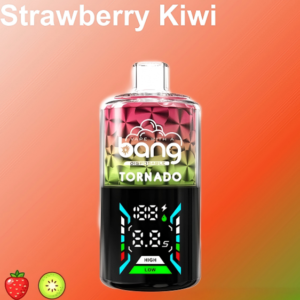
Bang Tornado 40000 Strawberry kiwi fruity mix of sweet strawberry lively kiwi€8,75
-
Bang Tornado 40000 Mango Peach exotic-fruity enjoyment with juicy mango and sweet peach€8,75
-
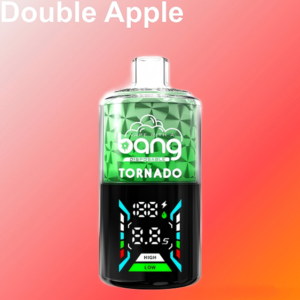
Bang Tornado 40000 Double Apple refreshing apple enjoyment with intensive fruitiness€8,75
-
Bang Tornado 40000 Blueberry Raspberry Fresh blueberry meets juicy raspberry€8,75
-
Bang Tornado 40000 Blueberry grapes fruity mixture of blueberries and grapes€8,75
-
Bang Tornado 40000 Energy drink refreshing energy taste for 40000 Trains€8,75
-
Bang Tornado 40000 Blueberry Lemon refreshing blueberry and lemon for 40000 Trains€8,75