
E-cigarette epidemic among adolescents: alarming statistics and health risks
The use of e-cigarettes (vaping) among adolescents has developed in recent years from a niche trend to a global public health challenge. While e-cigarettes were originally designed as a cessation aid for adult smokers, current data shows they are increasingly becoming an entry drug for a new generation.
This article analyzes the latest global statistics, highlights the medical impacts on the adolescent brain, and offers practical advice for parents and educators.
1. Global increase: The numbers tell a clear story
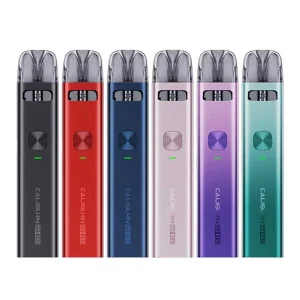
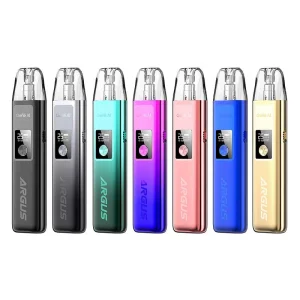
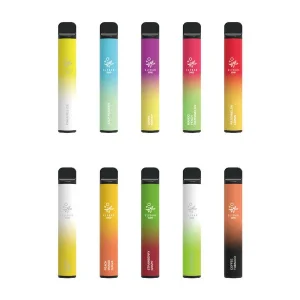
Statistics from various continents paint a concerning picture. Access to colorful, sweet-tasting 'Disposable Vapes' has significantly lowered the barriers.
Current data shows a rapid increase:
- 🇺🇸 United States (2022 data): According to health authorities, approximately 2.55 million students used e-cigarettes. This accounts for 14.1% of high school students and already 3.3% of middle school students.
- 🇦🇺 Australia: Here, the proportion of adolescent users has more than doubled—from 13% in 2014 to 30% in 2023.
- 🇹🇭 Thailand: A dramatic increase within just one year from 3.3% to 17,6 % (a sixfold increase in consumers).
- 🇹🇼 Taiwan: Here too, the rates are rising to 8.8 % among high school students.
2. Medical Risks: Why Vaping is Different for Teenagers
Teenagers are not 'little adults.' Their bodies and especially their brains are still developing, making them more susceptible to damage.
The danger to the respiratory system ('Popcorn Lung' & COPD)
The aerosols from e-cigarettes contain fine particles, flavorings, and chemical compounds that penetrate deep into the lungs.
- Inflammations: Substances can trigger allergic pneumonias or asthma-like symptoms.
- Long-term damages: Medical professionals warn of an increased risk of chronic obstructive pulmonary disease (COPD) already in early adulthood.
- Illegal Additives: A growing problem on the black market is adulterated liquids containing synthetic cannabinoids or anesthetics such as Etomidate which can lead to acute lung failure.
Neurotoxicity: Attack on the Brain
The human brain matures until about age 25. Nicotine acts like a neurotoxin during this phase.
- Learning Disorders: Nicotine can disrupt synapse formation in the prefrontal cortex, leading to problems with attention span and learning.
- Impulse Control: Studies suggest that early nicotine use can increase anxiety and weaken impulse control.
3. Social Consequences and the 'Gateway Effect'
Besides health, social behavior often suffers as well.
- The initiation into addiction: Nicotine is highly addictive. Many teenagers who would never have touched a regular cigarette become nicotine-dependent through vapes. There is a risk of the 'Gateway Effect,' where users later switch to tobacco cigarettes.
- Financial Burden: Dependence costs money. Instead of resorting to extreme measures like theft, as was feared in the past, experts now observe a massive financial burden on teenagers ('Pocket Money Trap'), leading to family conflicts.
- Peer Pressure: Consumption often occurs in groups, increasing social pressure to 'belong.'
4. Guide for Parents and Schools: What to Do?
Prohibitions alone are often not enough. Here are evidence-based approaches to dealing with the topic:
- Open Dialogue Instead of Confrontation: Ask your child neutrally what they know about vaping or what's 'in' at school, rather than immediately condemning.
- Education about Marketing: Point out how the industry specifically targets teenagers with bright colors and flavors to attract customers ('You are being manipulated').
- Watch for Symptoms: Unexplained sweet smell in the room, frequent coughing, increased thirst, or irritability (nicotine withdrawal) can be warning signs.
- Professional Help: In case of strong dependence, pediatricians or addiction counseling centers should be consulted. Nicotine replacement therapies can also be useful for teenagers under medical supervision.
The global rise in e-cigarette use among teenagers is a wake-up call. It is not a harmless fashion trend but a serious health risk with potential long-term effects on the brain and lungs. Only through stricter regulation of the market (e.g., banning colorful packaging) and honest education within families can we break this wave.
-
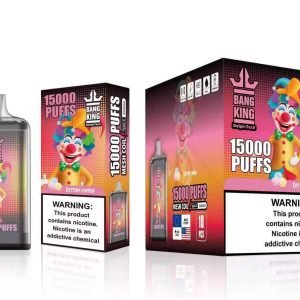 BANG KING Digital 15000 PUFFS Cotton Candy A delicious disposable e-cigarette that offers you 15,000 puffs full of sweet cotton candy.€4,78 – €6,83
 -
 Enjoy the delicious refreshment of BANG KING Digital 15000 PUFFS Strawberry Yogurt for an unforgettable and fruity vaping experience€4,78 – €6,83
 -
 Enjoy the harmonious blend of three delicious fruits with BANG KING Digital 15000 PUFFS for intense vaping€4,78 – €6,83
 -
 Enjoy 15000 puffs full of fresh mint with BANG KING Digital 15000 PUFFS Cool Mint for unforgettable pleasure€4,78 – €6,83
 -
 BANG KING Digital 15000 PUFFS Pink Lemonade 15000 puffs full of fruity joy that delight your taste buds with every puff€4,78 – €6,83
 -
 BANG KING Digital 15000 PUFFS Black Dragon Ice 15000 puffs full of icy freshness that enchant your senses with every puff€4,78 – €6,83
 -
 BANG KING Digital 15000 PUFFS Watermelon Bubblegum 15000 puffs full of fruity joy that enchant your taste buds with every puff€4,78 – €6,83
 -
 Enjoy the delicious freshness of BANG KING Digital 15000 PUFFS Sour Apple Raspberry disposable e-cigarette with 15000 puffs full of flavor€4,78 – €6,83
 -
 Experience the fruity harmony of Kiwi Passion Fruit and Guava with BANG KING Digital 15000 PUFFS for tropical vaping€4,78 – €6,83