E-Cigarettes: The Modern Guide for Switchers – Benefits, Risks & Facts
e-cigarettes (also known as Vapes or E-Smoking) have developed over the past few years from a niche invention to one of the most popular alternatives to traditional tobacco cigarettes. For many smokers, they offer a real chance to reduce or completely quit tobacco consumption.
But how safe are these devices really? What distinguishes modern Vapes from the first models? In this article, we examine the technological development, health aspects, and why e-cigarettes today represent an indispensable market segment.
From Origin to Innovation: The Evolution of the E-Cigarette
The roots of the modern e-cigarette date back to 2003, when Chinese pharmacist Hon Lik developed a method of nicotine intake that does not involve combustion. His goal was to create a less harmful alternative to smoking.
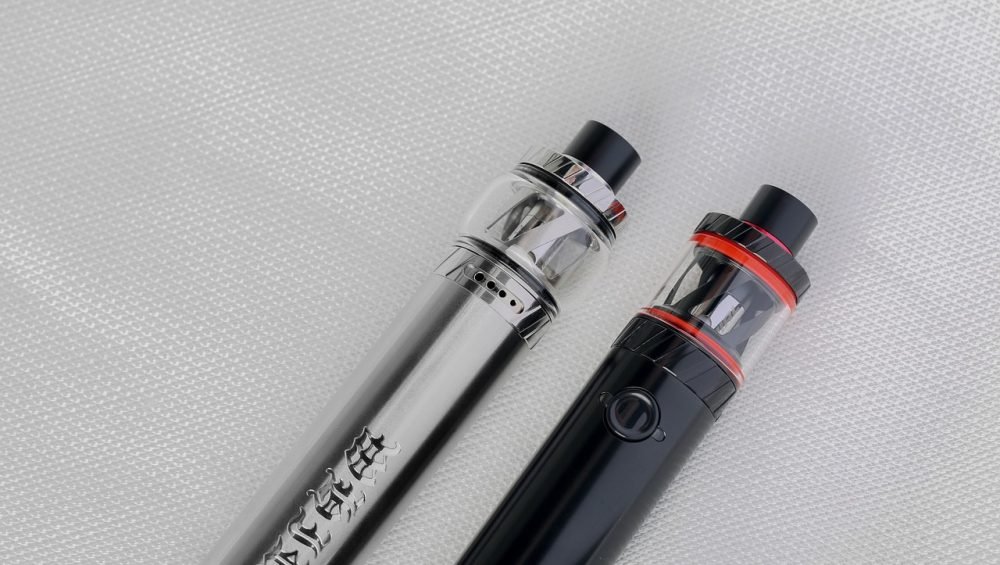
Today, the market has rapidly evolved. Modern devices are not only more user-friendly, but also technically more advanced. The main improvements include:
- Efficient Vaporizer Technology: Richer flavor and reliable vapor production.
- Longer Battery Life: Powerful batteries for all-day use.
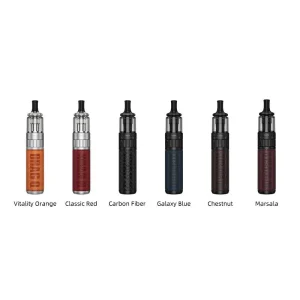
- Variety for Every User Type: From simple Pod System for beginners to high-performance mods for professionals.
These innovations have led to e-cigarettes being used worldwide by millions of people seeking an alternative to tobacco smoke.
Health Aspects: Vaping vs. Smoking
A key factor for switching is health. It is important to state the facts clearly:
1. Vaporizing instead of Burning
The biggest difference lies in the process: tobacco cigarettes burn tobacco at high temperatures, producing tar and thousands of toxic substances. E-cigarettes do not burn tobacco. They heat a E-Liquidliquid until it evaporates. This eliminates many of the harmful combustion products.
2. Scientific Assessment & TPD2 Regulation
Reputable institutions such as Public Health England (PHE) classify e-cigarettes as up to 95% less harmful less harmful than traditional cigarettes.
In Germany, the Tobacco Products Directive (TPD2) also ensures high safety standards. It guarantees consumers:
- Strictly controlled ingredients in e-liquids.
- Emissions testing for all devices.
- Child-resistant closures and containers.
Note: E-cigarettes are not risk-free. They usually contain nicotine, which is addictive. They are intended as a harm reduction tool for adult smokers, not for non-smokers.
User-Friendliness in Focus
One reason for the success of e-cigarettes is the user-centered approach. The days of complicated technology are over. Manufacturers today focus on designs that are intuitive to use:
- Beginner-Friendly Designs: Many pod systems work with automatic draw – without buttons or complicated settings.
- Nicotine Salt Liquids (Nic Salts): These enable a gentler inhalation at higher nicotine content, which makes it easier for heavy smokers to switch, as the 'scratching' in the throat is minimized.
- Flavor Variety: From classic tobacco to menthol to fruity flavors – the selection helps many users dissociate from the taste of burnt cigarettes.
Future Outlook: Where is the vaping industry headed?
The future of the e-cigarette industry is promising and innovation-driven. It is expected that the market will continue to professionalize. Future trends include:
- More sustainable solutions to reduce electronic waste (moving away from disposable vapes towards reusable systems).
- Even safer technologies for temperature control.
- Stricter quality standards that further strengthen consumer trust.
E-cigarettes have transitioned from niche products to a global phenomenon. Through continuous innovation and a focus on safety, they remain the top choice for smokers seeking a better alternative.
Frequently Asked Questions (FAQ) about e-cigarettes
Is vaping e-cigarettes cheaper than smoking? Yes, in the long run, vaping is significantly more cost-effective. After the initial purchase of the device, the ongoing costs for e-liquids and atomizer heads (coils) are usually much lower than the costs of daily cigarette packs.
What exactly is in e-liquid? Quality liquids consist of a few known components: Propylene glycol (PG) as a flavor carrier, vegetable glycerin (VG) for vapor, food-grade flavors, and optionally nicotine.
Do e-cigarettes really help with quitting smoking? Many smokers report that switching to e-cigarettes was easier for them than using patches or gum, as the 'hand-to-mouth' ritual is preserved while reducing harmful substances.
-
 iJoy Bar IC8000 Electronic Disposable Cigarette with 8000 Puffs€12,00
 -
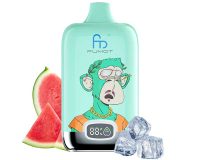
 Fumot Randm Digital Box 12000 Disposable E-Cigarette 12000 Puffs
 -
 RANDM TORNADO 15000 Puffs VAPE€6,29 – €9,53
 -
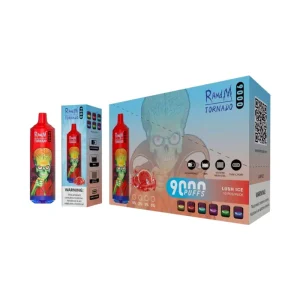 Randm Tornado 9000 Disposable Vape 9000 Puffs Warehouse€6,16 – €9,37
 -
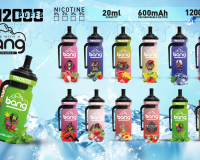
 BANG KING Digital 15000 PUFFS Enjoy the ultimate vapor experience€4,98 – €7,53
 -
 RandM Tornado 7000 E-Cigarettes 7000 Puffs Buy EU warehouse€5,75 – €8,22
 -
 Bang 50000 Puffs Power Enjoyment with Red Bull Blueberry Watermelon Flavor€9,83
 -
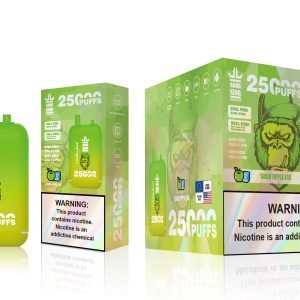 Enjoy the perfectly balanced blend of sour apple and cool ice with Sour Apple Ice Bang King DelphiTreh 25000 Puffs€5,65 – €8,07