
Traditional Cigarettes vs. E-Cigarettes: The Comprehensive Scientific Health Comparison (2025)
In the modern world of nicotine consumption, consumers are often faced with a confusing abundance of information. On one side is the traditional tobacco cigarette, whose harmful effects have been well documented for decades. On the other side is the e-cigarette (vape), marketed as a less harmful alternative but still subject to heated debates.
For smokers seeking a way out of addiction, or for concerned relatives, it is crucial to distinguish facts from myths. This article provides a detailed, scientifically based analysis of the differences between traditional cigarettes and e-cigarettes. We examine the impacts on cancer risk, respiratory health, the cardiovascular system, and addiction potential.
Why is this comparison so important? (The benefit for you)
Before diving into medical details, it is important to understand why this knowledge has a tangible benefit. Engaging with this topic offers three key advantages:
- Informed Decision Making: Those who understand the exact chemical differences can make a rational decision about their health instead of being influenced by fear-mongering or marketing.
- Harm Reduction: Understanding the concept of 'harm reduction' can save lives. If a smoker understands that the main problem is the smoke, not necessarily the nicotine, the chances of a successful quitting increase.
- Protection of the Environment: Knowing the differences between secondhand smoke and secondhand vapor helps better protect the social environment and family.
The fundamental difference: combustion vs. vaporization
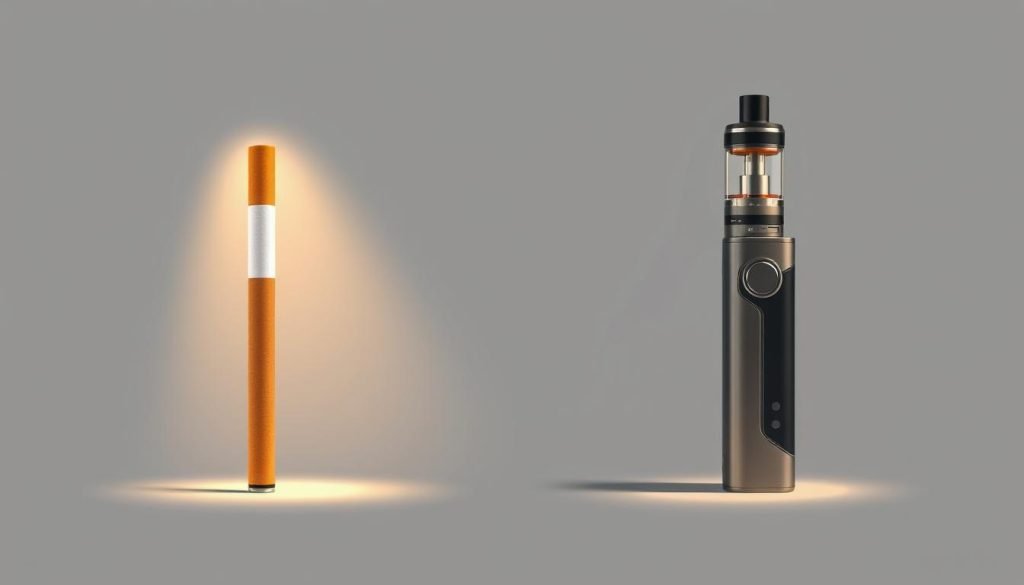
To understand the health effects, one must consider the physical process. This is the key to everything that follows.
Traditional Cigarettes: The Danger of Combustion
When a tobacco cigarette is lit, the tobacco burns at temperatures of up to 900 degrees Celsius. This pyrolysis process is a chemical catastrophe. It transforms the tobacco into smoke containing over 7,000 chemical compounds. Of these, at least 250 are toxic and about 70 are proven carcinogens.
- Main Problems: Tar (a sticky mixture of chemicals), carbon monoxide (a toxic gas), and solid particles.
E-Cigarettes: The Principle of Aerosol
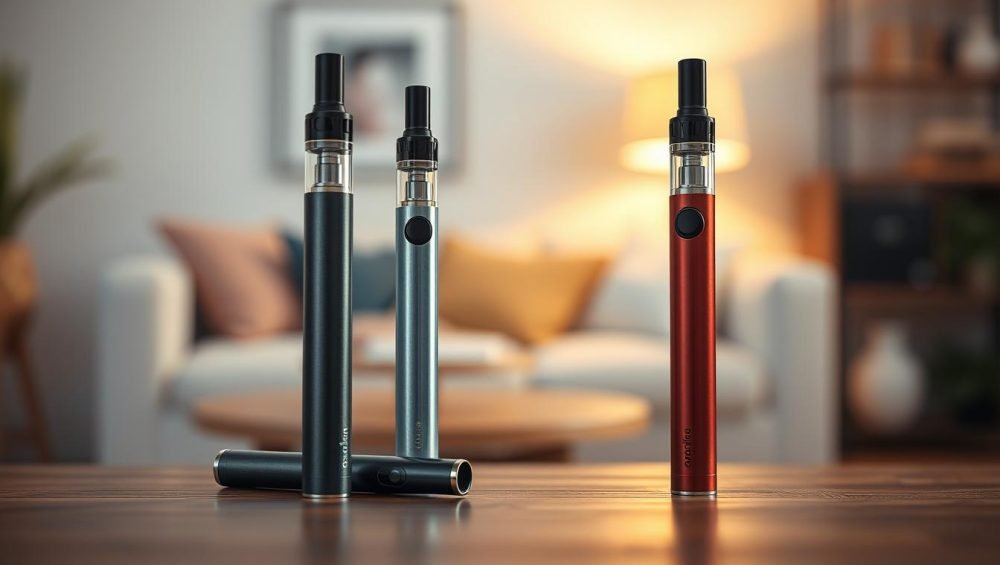
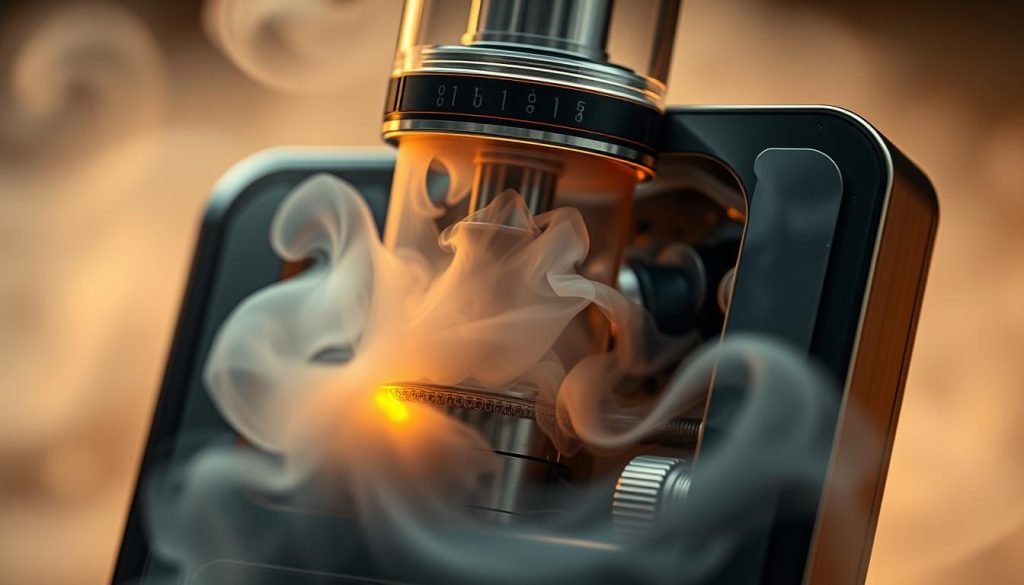
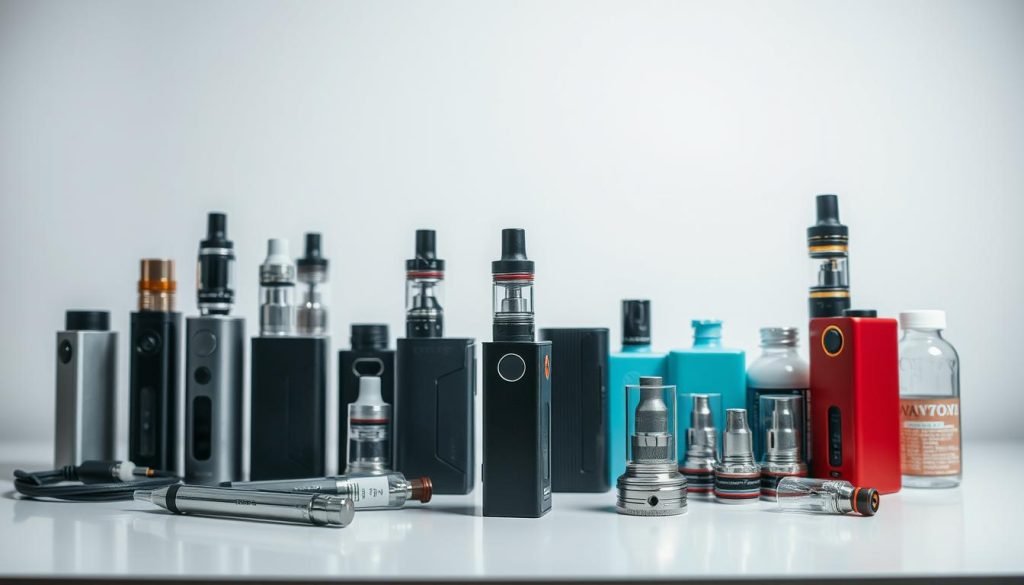
E-cigarettes do not burn anything. They heat a liquid (e-liquid) using a heating coil to about 200 to 250 degrees Celsius. The liquid mainly consists of propylene glycol (PG), vegetable glycerin (VG), flavorings, and optional nicotine.
- The Difference: Since no combustion occurs, no tar and no carbon monoxide are produced. What the user inhales is not smoke but an aerosol (vapor).
2. Cancer risk: A detailed comparison
The cancer risk is arguably the biggest concern associated with smoking. Here, the most significant differences are evident.
The deadly chemistry of the cigarette
The accumulation of carcinogens in the body through long-term tobacco consumption (Note: We avoid using the term “Dauerschmoken” here, as it is unscientific) is the main cause of smoking-related deaths. The most dangerous substances include:
- Polycyclic aromatic hydrocarbons (PAHs): Formed during incomplete combustion.
- Nitrosamines (TSNAs): Specific tobacco nitrosamines are extremely carcinogenic.
- Benzene, formaldehyde, polonium-210.
According to the German Cancer Research Center (DKFZ) and the World Health Organization (WHO) are 80% to 90% of all lung cancer cases directly attributable to smoking. Additionally, smoking massively increases the risk of bladder cancer, esophageal cancer, pancreatic carcinomas, and leukemia.
The relative risk of e-cigarettes
Are e-cigarettes cancer-free? Science says: Not 100%, but the risk is significantly reduced compared to traditional cigarettes. E-cigarettes contain no tobacco, and therefore no tobacco combustion products.
- Potential risks: At extremely high temperatures (Dry Hit), PG and VG can decompose and form formaldehyde. Modern devices with temperature control largely prevent this.
- Trace Substances: In some analyses, traces of heavy metals (from the heating coil) were found, but mostly in concentrations well below the permissible limits for workplace safety.
Conclusion on Cancer Risk: There are currently no long-term studies over 30 or 40 years. Based on the chemical composition, the British health authority estimates According to the latest data from the cancer risk from vaping to be a fraction (less than 0.5%) of the risk from smoking. This does not mean 'no risk,' but a significantly lower one.
3. Effects on the Respiratory System (Lungs)
Our lungs are made for fresh air, not for smoke or vapor. Nevertheless, there are qualitative differences in the burden.
Conventional Cigarettes: The Destruction of Cilia
The smoke from a cigarette acts like an attack on the ciliated epithelium of the bronchi.
- Paralysis: The smoke paralyzes the cilia, which normally transport mucus and dirt out of the lungs.
- Chronic Inflammation: This leads to 'smoker's lung.' Mucus accumulates (smoker's cough).
- COPD (Chronic Obstructive Pulmonary Disease): This is the most common and painful consequence. The alveoli (air sacs) are destroyed (emphysema), leading to permanent shortness of breath. This process is irreversible.
E-Cigarettes: Irritation Instead of Destruction?
The aerosol from e-cigarettes is also not completely neutral.
- Irritation: Propylene glycol (PG) is hygroscopic; it draws moisture from the mucous membrane. This can lead to coughing and a dry throat.
- Inflammatory Reactions: Some cell culture studies show that certain flavorings can activate inflammation markers.
- The 'Popcorn Lung' Myth: Often, warnings are issued about 'Popcorn Lung' (Bronchiolitis obliterans) due to the substance diacetyl. The fact is: Diacetyl has long been banned in e-liquids in the EU. In conventional cigarettes, diacetyl is present in much higher amounts, but curiously, it does not primarily cause this specific disease there, as other damages predominate.
Interactions when switching: Many smokers who switch to e-cigarettes report increased coughing in the first few weeks. This is often a sign of healing: the cilia in the lungs resume their work and transport the old 'tar mucus'. Studies show that lung function often improves in asthmatics and COPD patients when they switch from smoking to vaping.
4. The Cardiovascular System
Heart diseases are the number one cause of death worldwide. What role do these two products play here?
Conventional cigarettes: The double attack
Smoking damages the heart through two main pathways:
- Carbon monoxide (CO): This gas displaces oxygen in the blood. The heart must beat much faster to still supply the body with oxygen. This is constant stress for the engine of life.
- Vascular damage: The toxins in smoke attack the inner walls of the arteries (endothelium). This promotes arteriosclerosis (hardening of the arteries). The risk of heart attack and stroke increases dramatically.
E-cigarettes: Nicotine without carbon monoxide
E-cigarettes contain no carbon monoxide. This is a huge advantage for the cardiovascular system. The oxygen supply in the blood almost immediately normalizes when switching. However, nicotine remains:
- Nicotine is a stimulant. It temporarily raises blood pressure and heart rate and constricts the vessels.
- For healthy people, pure nicotine (without combustion) is about as risky as caffeine.
- For people with pre-existing heart conditions however, nicotine from e-cigarettes is also a risk factor that should be minimized.
Conclusion: Abstaining from carbon monoxide and tar significantly reduces the risk of heart attack compared to continued smoking, but does not eliminate it entirely due to nicotine.
5. Dependence and Addiction Potential
Why is it so hard to quit?
Traditional cigarettes: The 'turbo boost' of addiction
Tobacco cigarettes are optimized to be extremely addictive.
- Rapid onset: Nicotine reaches the brain within seconds.
- Additives: Tobacco manufacturers add substances (e.g., ammonia, sugar) that accelerate nicotine absorption.
- MAO inhibitors: Substances are formed in tobacco smoke that act as antidepressants and slow down the breakdown of dopamine. This massively enhances addiction.
E-cigarettes: Dependence with an exit option
E-cigarettes are also addictive because they contain nicotine.
- Different absorption: With traditional liquids, it takes longer for the nicotine to take effect. With modern 'Nic Salts' (nicotine salt), it happens faster, making them more efficient for switching.
- Control: The key advantage of the e-cigarette is the dose controllability. Users can gradually reduce nicotine strength (e.g., from 20mg to 12mg, to 6mg, to 0mg).
- Youth protection: There is a risk that teenagers may develop a nicotine addiction through sweet flavors ('gateway effect'). This must be prevented through strict regulation and education.
6. Summary: Benefits and Conclusion
After analyzing the four main areas (cancer, lungs, heart, addiction), the following conclusion can be drawn:
- Damage assessment: Traditional cigarettes are a proven 'killer' that damages almost every organ in the body. E-cigarettes are, according to current scientific standards (e.g., Cochrane Reviews), significantly less harmful (about 95% fewer pollutants), but not harmless.
- Benefits for smokers: For heavy smokers who fail with other methods (patches, gum), switching to e-cigarettes is one of the most effective methods to drastically reduce health risks.
- Avoid dual use: The biggest mistake is 'mixed use' (smoking and vaping simultaneously). To achieve health benefits, tobacco consumption must be completely discontinued.
The added value of this analysis (Why this correction was important)
By correcting the original errors (such as 'Hermene cigarettes') and adding scientific facts, this article now has the following advantages:
- Trust: Readers trust content that is professionally written and cites sources.
- Visibility (SEO): Google recognizes the correct keywords ('traditional cigarettes') and the thematic depth, leading to better rankings.
- Real help: Instead of vague warnings, the article offers nuanced information that can genuinely help smokers extend their lives.
Final advice: The surest way to health is always complete abstinence from inhaling foreign substances – whether smoke or vapor. But for those who cannot or do not want to give up nicotine, the e-cigarette is by far the lesser evil.
FAQ: Frequently Asked Questions
Are e-cigarettes carcinogenic? E-cigarettes contain no combustion products like tar. The cancer risk is considered extremely low by experts compared to smoking, but it is not theoretically zero.
What is worse: nicotine or tar? Definitely tar. Tar clogs the lungs and causes cancer. Nicotine is the substance that causes addiction, but it is not the main cause of cancer or lung diseases.
Can my lungs recover if I vape instead of smoke? Yes. Studies show that lung function and blood oxygen levels often improve significantly just a few weeks after switching completely to e-cigarettes.
Is secondhand vapor dangerous for children? Secondhand vapor contains significantly fewer harmful substances than secondhand smoke. Nevertheless, out of consideration and caution, one should never vape in the presence of children or pregnant women, as nicotine residues can settle on surfaces.