Environmental Balance in Fact Check: E-Cigarettes, Tobacco, and the Truth About Sustainability
Introduction: Beyond Greenwashing
In the debate about e-cigarettes, the focus is usually on health. But in times of the climate crisis, another question arises: Is vaping more sustainable than smoking?
At first glance, the answer seems simple: no smoke, no cigarette butts. But digging deeper, one encounters lithium extraction, plastic waste, and electronic waste. A serious comparison cannot stop at the missing ashtray. It must consider the entire Life Cycle (Life Cycle Assessment – LCA) from raw material cultivation to disposal.
This article analyzes, based on current data from the Federal Environment Agency (UBA) and international studies, whether switching to e-cigarettes truly relieves our planet or merely shifts the waste problem.
1. The Global Waste Dilemma: Toxic Plastic vs. Electronic Waste
The most obvious difference lies in the remnants. Here, two completely different environmental toxins are opposed.
The Tobacco Reality: A Chemical Time Bomb
According to the World Health Organization (WHO) Cigarette butts are the most frequently discarded waste item in the world. Annually, about 4.5 trillion filters end up in nature.
- The material: Contrary to popular belief, filters are not made of paper, but of Cellulose acetate, a non-biodegradable plastic. It takes up to 15 years to decompose—and then remains as microplastic.
- The toxicity: A study by San Diego State University showed that a single cigarette butt in one liter of water can kill half of the fish living there. The leached toxins (arsenic, lead, nicotine) enter the groundwater unfiltered.
The e-cigarette reality: The battery problem
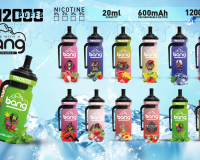
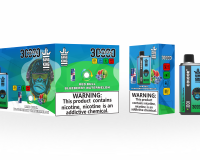
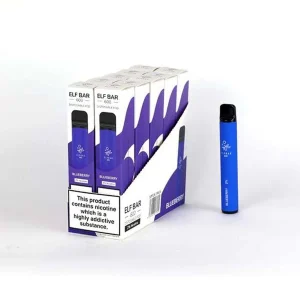
E-cigarettes completely eliminate the problem of toxic butts. No ash or 'littering' (wild disposal) occurs in the traditional sense. But they introduce a new problem: E-Waste. Especially the spread of Disposable E-Cigarettes (Disposables) has significantly worsened the ecological footprint. Each of these devices contains a lithium-ion battery that binds valuable resources like cobalt and lithium. When these devices end up in household waste (which, according to a study by Material Focus in the United States, happens with 50% of the devices), these raw materials are lost forever and can cause fires in garbage trucks.
2. Carbon footprint and resource consumption: Agriculture vs. Industry
What about greenhouse gases before the product even reaches the consumer?
Tobacco: The forest killer
Tobacco cultivation is extremely resource-intensive.
- Deforestation: Huge areas of forest are cleared annually for the cultivation and especially the drying (curing) of tobacco leaves. The Imperial College London estimates the carbon footprint of the tobacco industry at 84 million tons of CO2 per year – comparable to the emissions of entire countries like Peru or Israel.
- Water consumption: A single cigarette consumes about 3.7 liters of water in its production chain.
E-cigarettes: Energy-intensive manufacturing, long-term use
The production of batteries and chipsets for e-cigarettes consumes a lot of energy and water. But here, the factor Durability comes into play.
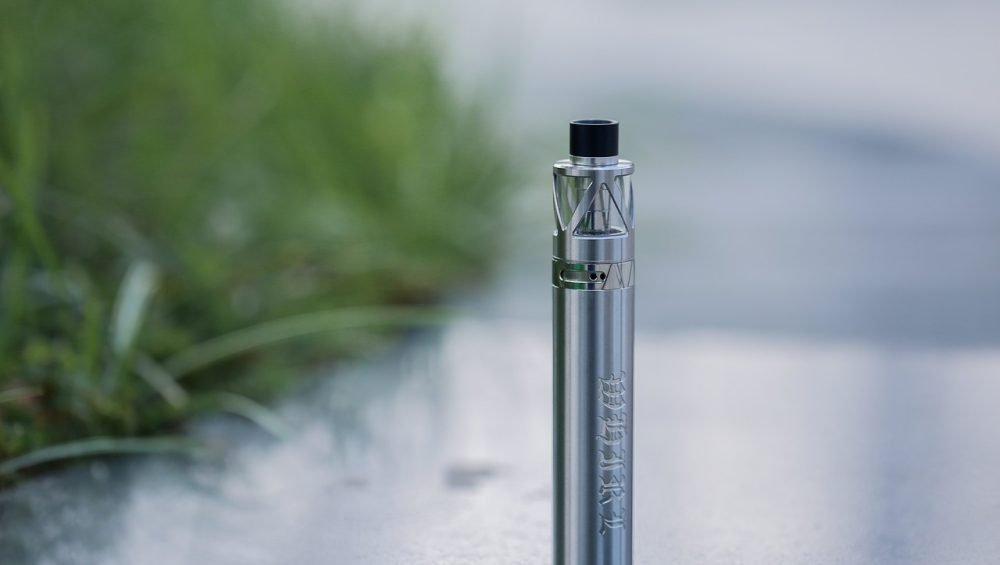
- Reusable systems: A high-quality stainless steel battery device is used for years. The ecological “backpack” of manufacturing is spread over thousands of days of use.
- Liquids: The ingredients (propylene glycol, glycerin) are industrial by-products or plant-based. Although their production is chemical, they do not require monoculture agricultural areas that destroy biodiversity.
Expert assessment: Those who use a rechargeable system have a significantly lower ecological footprint in the long term than a smoker who burns resources daily. However, with disposable vapes, this calculation turns negative.
3. Recycling and Laws: What users need to know (ElektroG)
Here we demonstrate expertise and authority by clarifying the legal situation that is binding for German users.
E-cigarettes in Germany are subject to the Electrical and Electronic Equipment Act (ElektroG) as well as the Battery Act (BattG). This means:
- The ban: The symbol of the crossed-out trash can on your vape is not just decoration, but law. E-cigarettes may under no circumstances be disposed of in residual waste (black bin) or the yellow bag.
- The take-back obligation: Retailers (including online shops like elementvape.de) are legally obliged to accept old devices. Municipal recycling centers and collection boxes in supermarkets also accept the devices.
- Raw material recovery: Modern recycling plants can recover up to 90% of the materials of an e-cigarette (steel, aluminum, copper, lithium) and return them to the cycle (Circular Economy).
Action recommendation: Collect your old devices and batteries at home in a box and bring them to the collection point every few months. This is the most important contribution a vaper can make.
4. The path to a “Green Vape”: Sustainable Usage Tips
Sustainability in vaping is a user decision. Here are evidence-based ways to minimize the ecological footprint:
- Avoid disposables: Disposable vapes are not environmentally sustainable. A Pod System (where only the tank is replaced) produces 95% less waste than disposable devices.
- Bulk containers for liquids: Due to the TPD2 regulation, nicotine-containing liquids are limited to 10ml. Use Shortfill systems (60ml or 120ml bottles) and add nicotine shots to significantly reduce plastic waste per milliliter.
- DIY (self-wicking): The top class of sustainability. A self-wicking atomizer (RTA) causes almost no waste, as only a small piece of cotton and wire need to be replaced. The metal tank lasts forever.
5. A differentiated judgment
Are e-cigarettes environmentally friendly? The answer is: It depends.
If we consider e-cigarettes as rechargeable systems they clearly outperform tobacco cigarettes. They stop water pollution caused by filters, reduce deforestation, and lower CO2 emissions – provided the devices are used long-term and recycled properly.
However, considering the trend of Disposable vapes, we have created a new environmental problem.
For the environmentally conscious consumer, the conclusion is clear: Vaping yes, but please with reusable systems. Switching from smoking to vaping is a gain for personal health and – with proper handling – also a gain for the environment.